


BERITA Mediacorp: Effects of olfactory and music therapy researched by the first cohort of graduates from two new LASALLE programmes
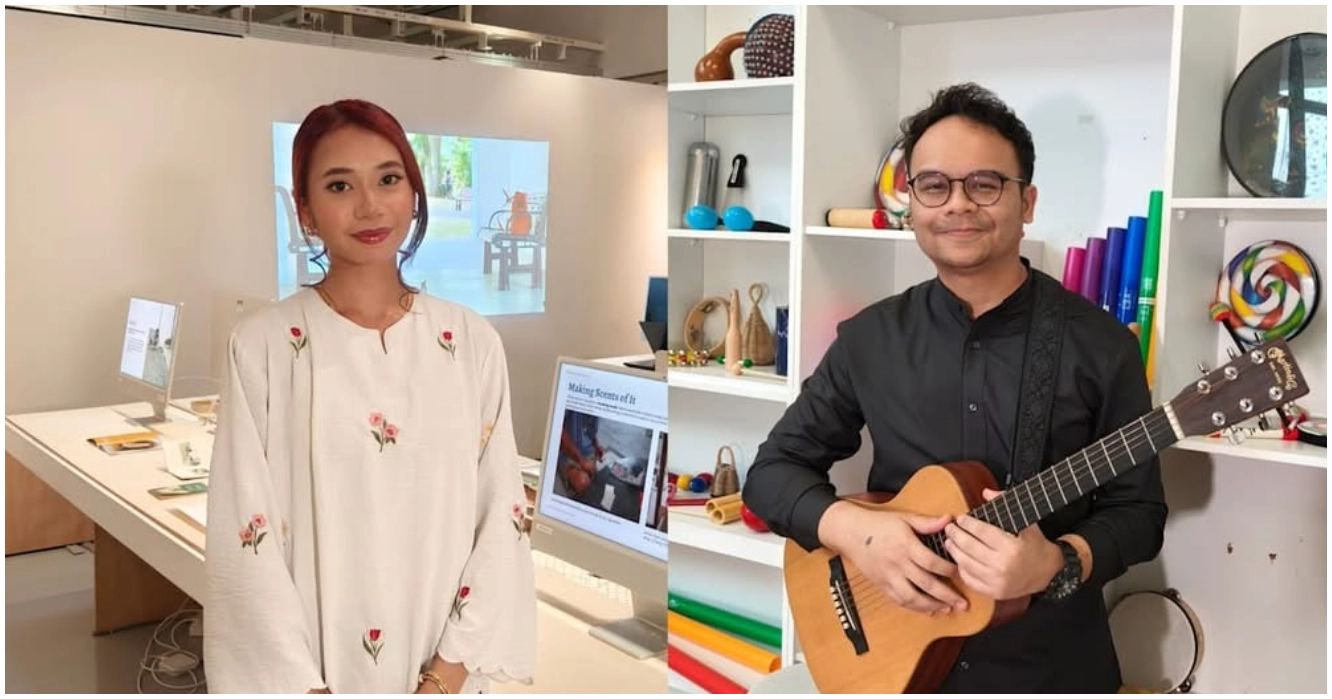
Certain smells, such as the smell of a bakery or the smell of freshly cut grass can trigger emotions and memories of a place and can act as a link to a community.
That is what prompted Nur Aliyah Binte Mohammad Noor Azman to delve deeper into how the sense of smell can be a factor to consider when designing social spaces for her final year project at LASALLE College of the Arts.
She examined how smell, even those that may be unpleasant to some, can actually be a way to connect people.
“The experience of conducting this study has helped me a lot in understanding how to work more closely with the community as a social designer,” Aliyah said.
“Throughout the Can You Smell It Too? project, I learnt to listen more carefully to the experiences of others, make observations of everyday life, and approach social issues with more sensitivity and empathy,” she added.
Aliyah is among the first 19 graduates of the BA (Hons) Design for Social Futures course introduced by LASALLE in 2024.
According to Programme Leader Wendy Chua, the programme, the first to be run in Singapore, aims to produce social designers who understand real-world issues through the lens of design.
Nine months of research in rental blocks in Hougang
Over the course of nine months, Aliyah conducted her ethnographic research in rental blocks in Hougang and found that smell, such as cooking smell, hair oil smell and cigarette smell, can be “a form of language in society that doesn’t require much explanation”.
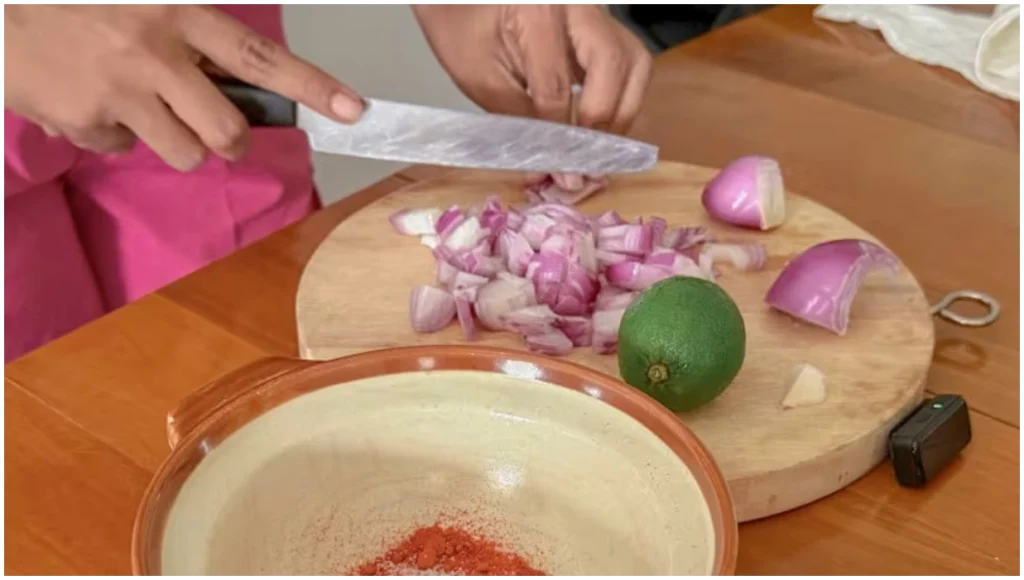
The smell of certain dishes can trigger a person’s memory of a location or memories of growing up in a certain place. (Photo: Nur Aliyah Mohammad Noor Azman)
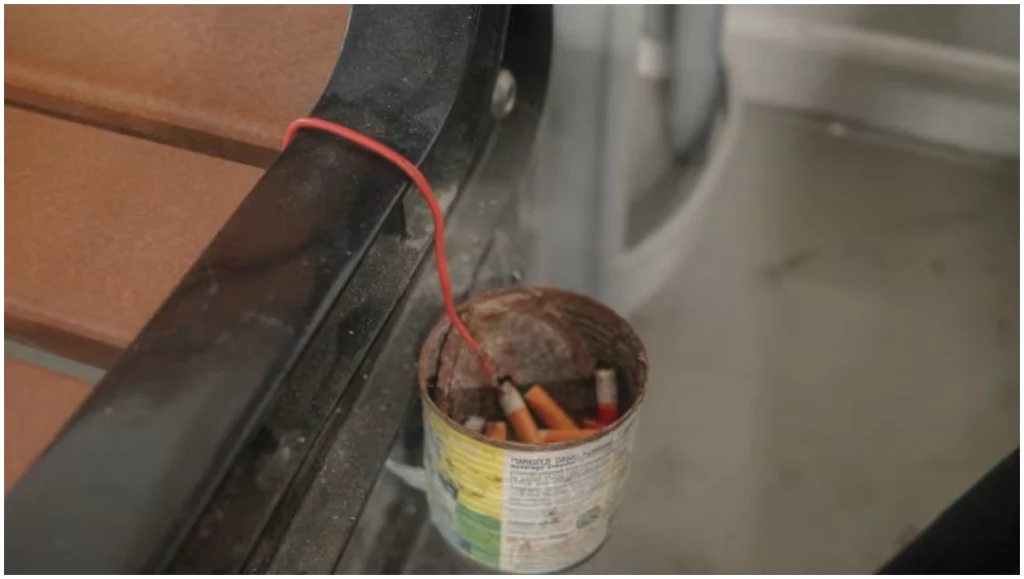
Smoking is seen as a social activity for some Hougang residents. (Photo: Nur Aliyah Mohammad Noor Azman)
“Smell can spark conversations between neighbours and remind someone of their family or culture. Therefore, this project tries to open up a space for people to understand that every smell has a different story, life routine and cultural background. Through this understanding, smell can be a link that creates more empathy and tolerance in community life,” she revealed.
As a result of her hard work, Aliyah successfully completed her studies with a Bachelor of Arts (Honours).
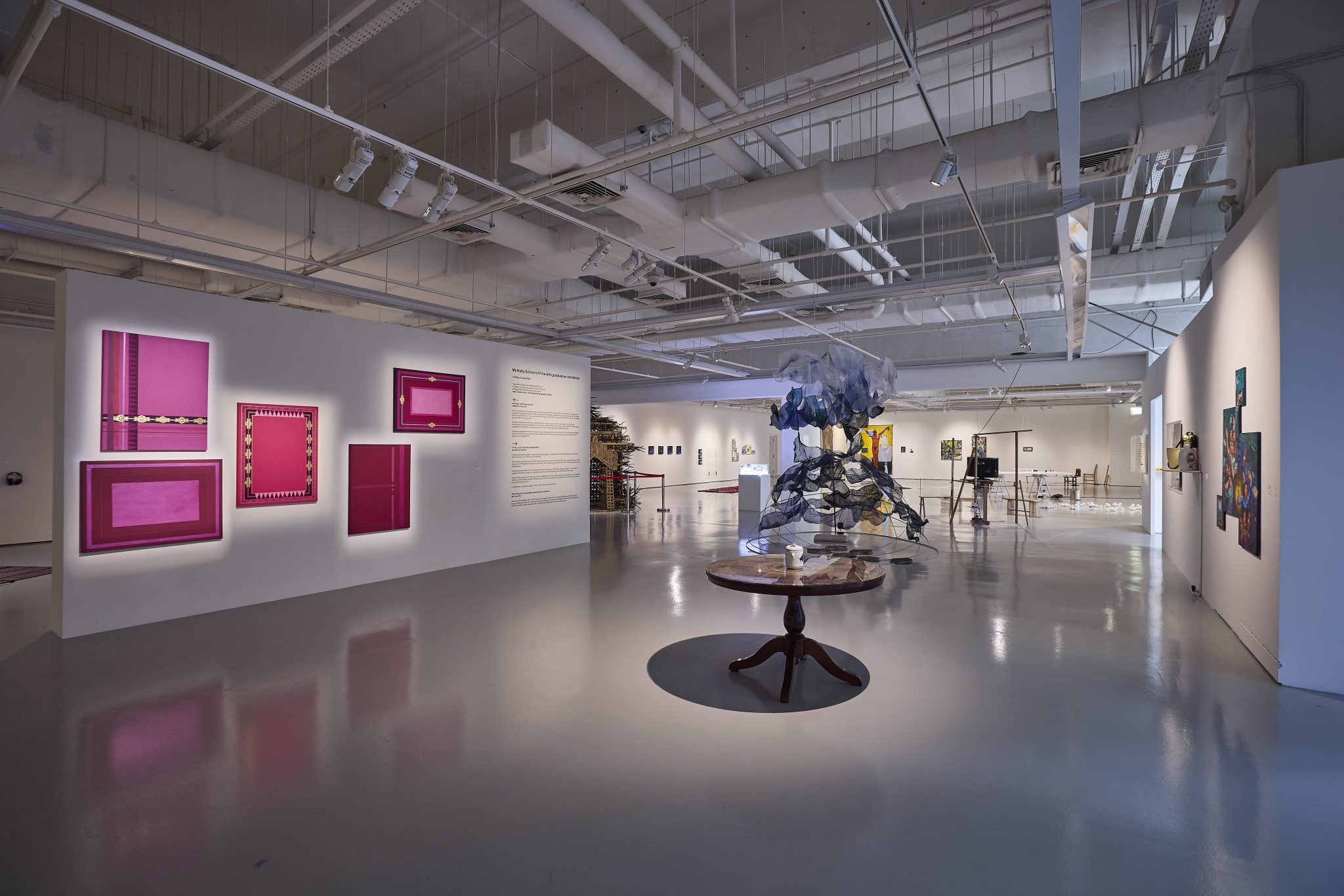
Her project will also be displayed at The LASALLE Show Exhibition which will take place from 22 May to 3 June at the McNally campus of LASALLE College of the Arts which is open to the public.
Music used as a tool for rehabilitation
Another project being displayed is from graduates of the MA Music Therapy programme which was also newly introduced in 2024.
Among the 12 graduates of the programme is musician Bakti Khair.
Before studying degree, Bakti was a music teacher.
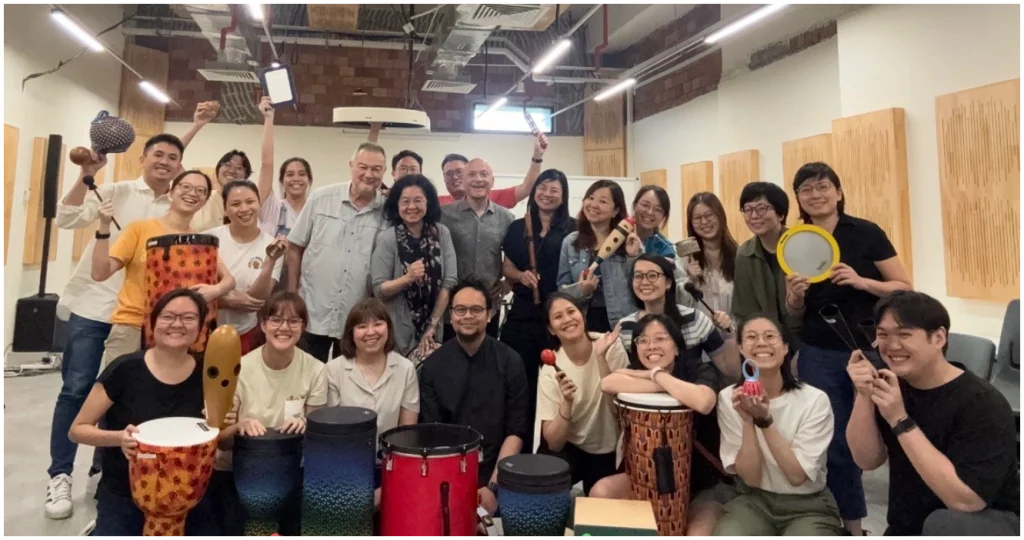
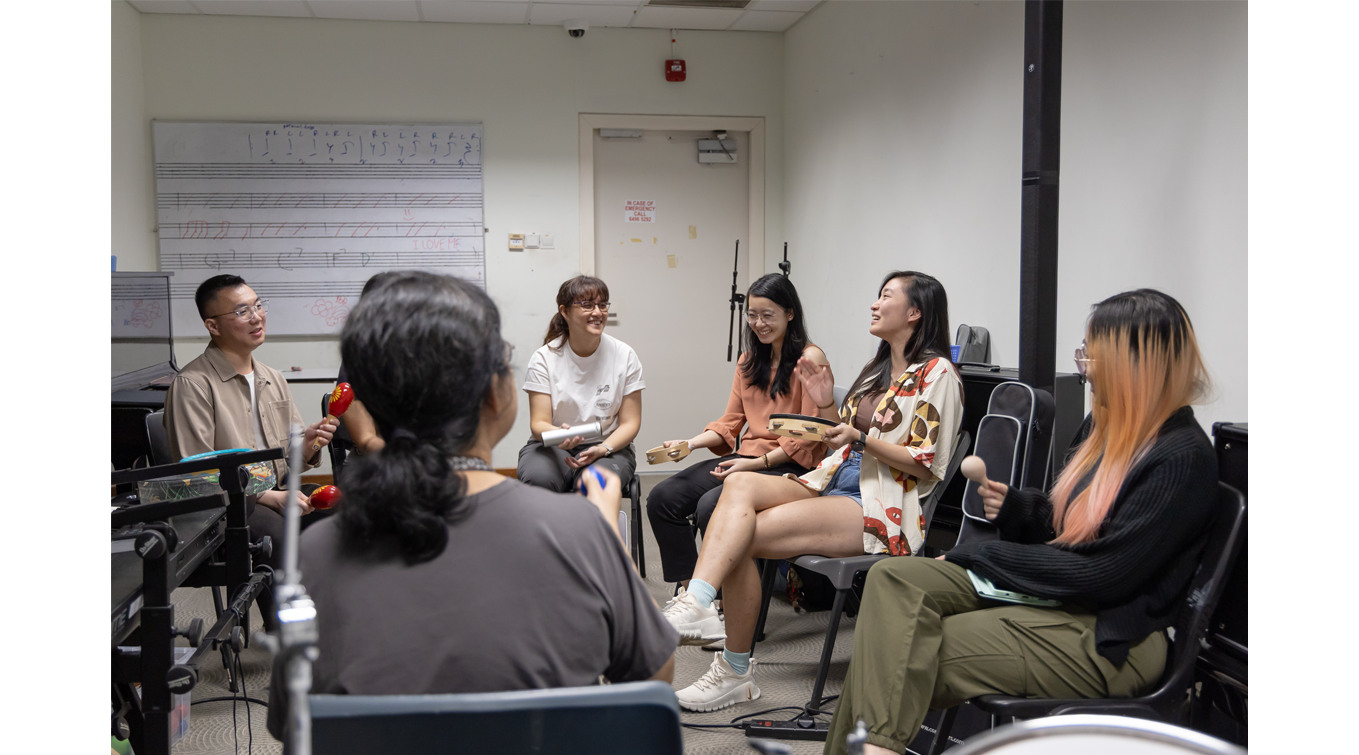
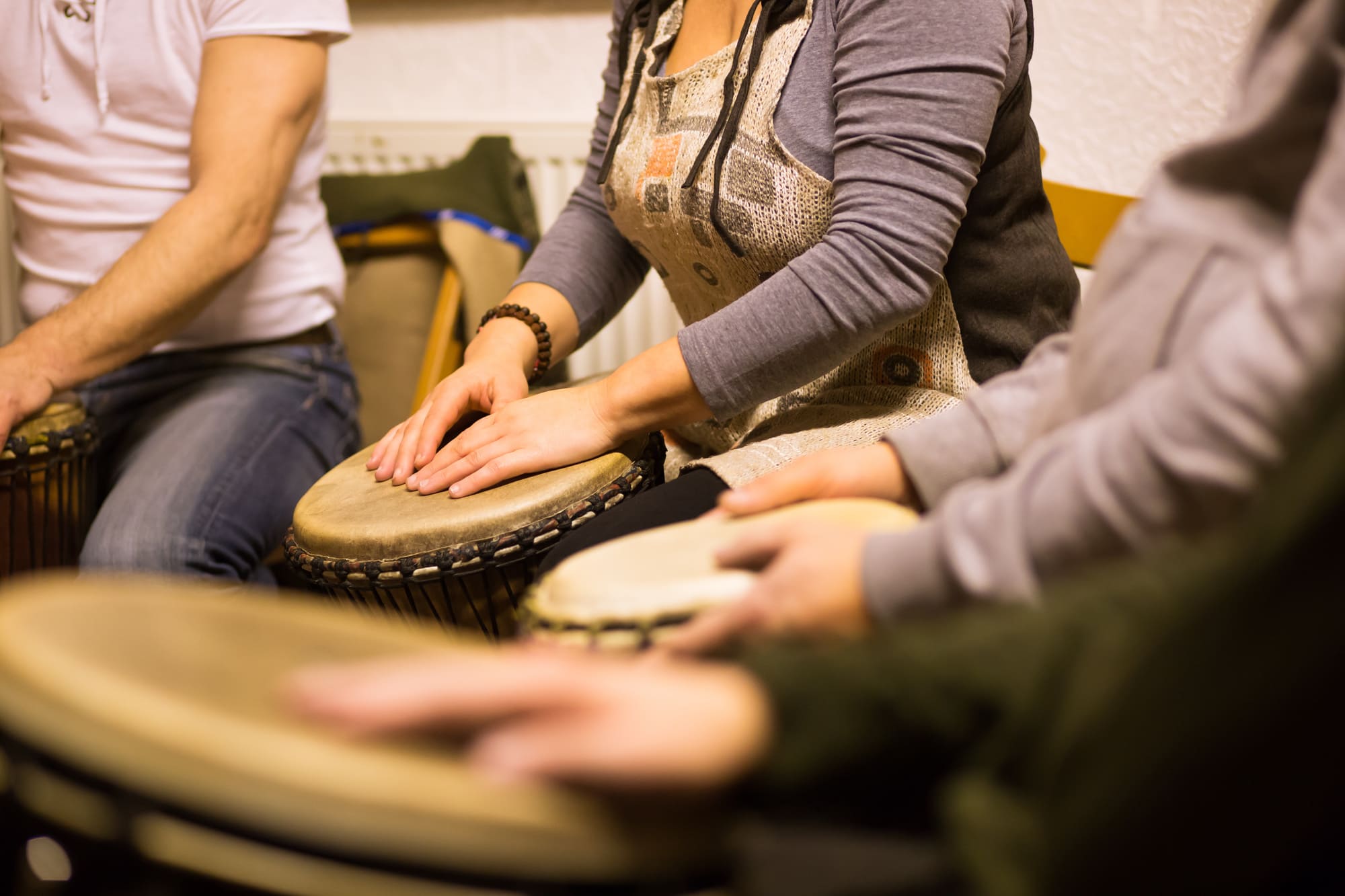
Bakti Khair with members of the MA Music Therapy programme during a music therapy workshop (Photo: LASALLE College of the Arts)
“When I found out about this programme, which was newly introduced two years ago, I made the decision with my family to leave my career as a teacher and join this field,” he shared.
According to him, one thing that had the biggest impact on him throughout his time in this programme was seeing first-hand how music can directly impact patients when it is used in music therapy sessions.
“For example, when we play a song that may be more well-known, sometimes we can see how dementia patients suddenly remember experiences or memories related to that song,” he added.
His thesis examined the perceptions of Malay/Muslim seniors towards music.
The study involved 102 Malay/Muslim seniors aged 60 and above.
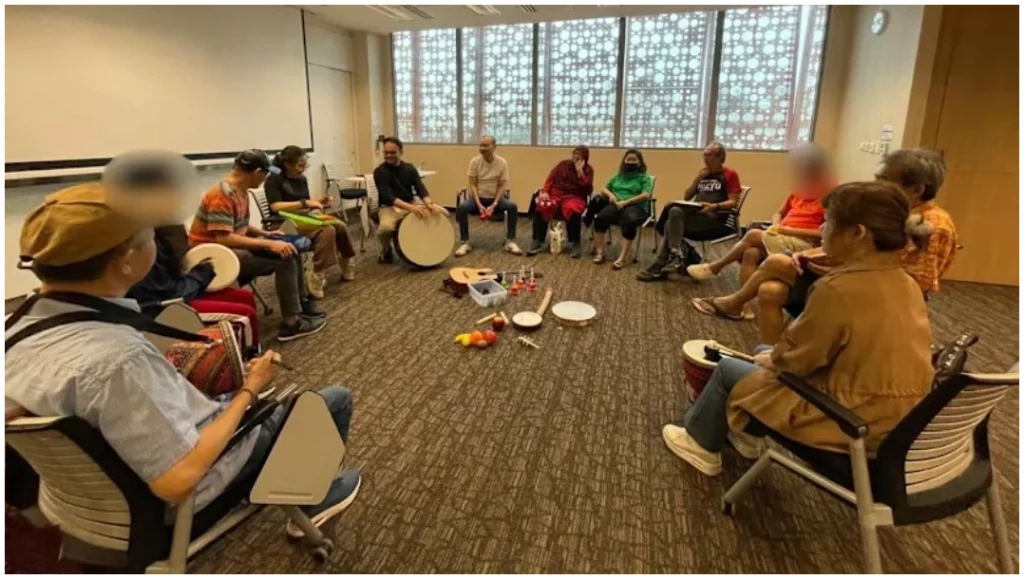
Bakti conducting a music therapy session with elderly patients (Photo: Bakti Khair)
“In Singapore, we have an ethnic health gap, and we may have more Malay patients. However, we may not have enough Malay music therapists in Singapore. Therefore, I think, having Singaporean Malay artists who are more knowledgeable in Malay culture will be more beneficial for the Singapore Malay community,” explained Bakti.
This includes the use of traditional music and nasyid in therapy for the elderly.
He also hopes that the findings of his study can enlighten music therapists in Singapore when they use music in their therapy sessions with this group.
Watch the report on BERITA Mediacorp.
Related news
CNA938: From Our Shores to the World: Echoes of the Bay
Echoes of the Bay is a unique participatory virtual reality (VR) ‘living story’ project helmed by LASALLE BA (Hons) Arts Management Programme Leader Associate Professor Natalia Grincheva and alumnus and …
Berita Harian: Financial constraints are no obstacle to pursuing her dreams in the arts and social fields
A desire to contribute to society through the arts led Masha Nyanna Wee Junyadi to pursue the BA (Hons) Design for Social Futures programme at LASALLE. Facing financial constraints, Masha …
Lianhe Zaobao: Arts graduates engage communities to address real needs through co-created design
Reporting on the University of the Arts Singapore, LASALLE BA (Hons) Convocation 2026, Lianhe Zaobao spoke with Delia Lee Ru Li, who graduated from from the BA (Hons) Design for …
The Straits Times: New grads on the block
In this article, The Straits Times speaks with some of the graduands from the pioneer BA (Hons) cohort and second MA cohort of the University of the Arts Singapore, formed …
The Straits Times: Pioneer cohort to graduate from the University of the Arts Singapore in August
The University of the Arts Singapore (UAS), formed by an alliance between LASALLE College of the Arts and the Nanyang Academy of Fine Arts, will see its inaugural cohort of …
The Straits Times: How a student’s pen-pal project connected teenagers in Hougang
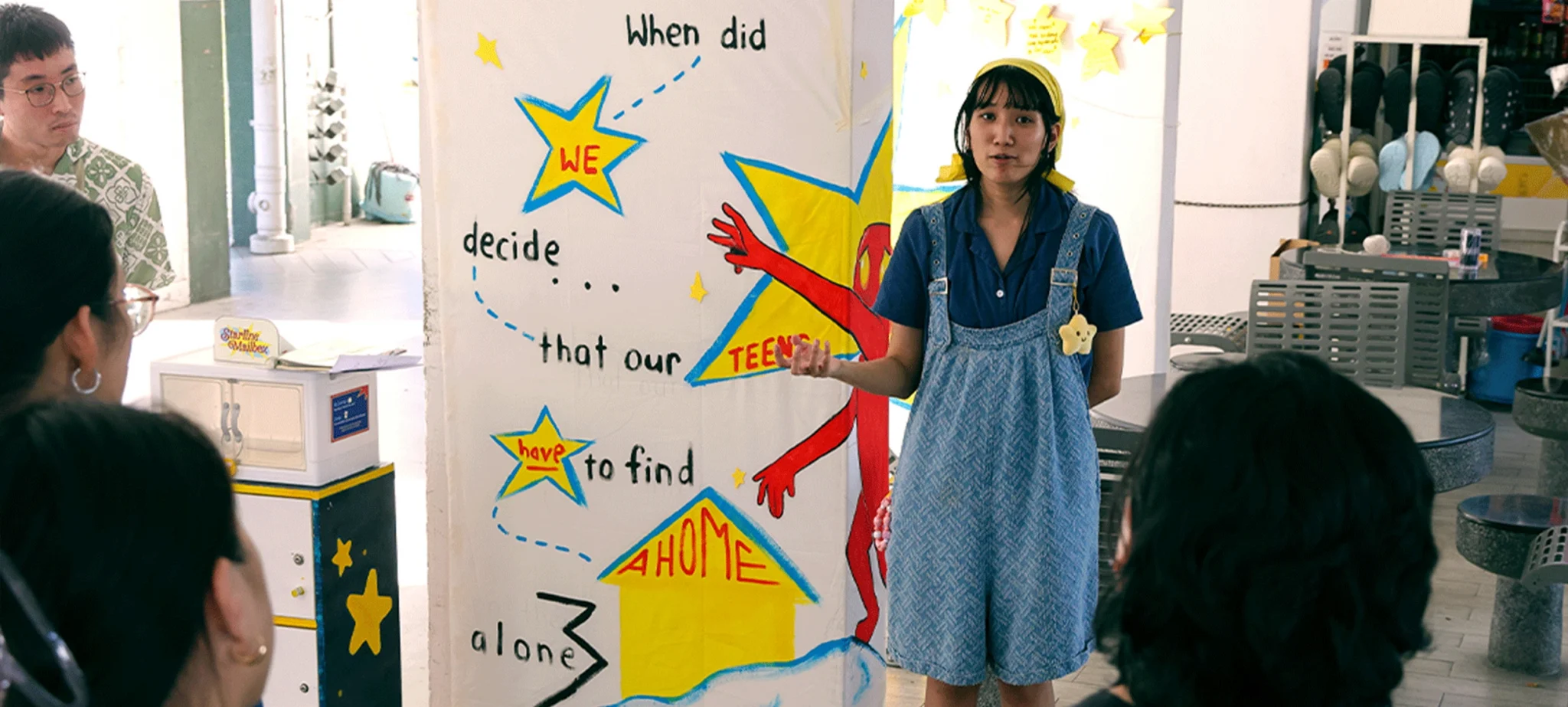
After noticing teenagers from lower-income communities in Hougang struggling to make connections within their neighbourhood, BA (Hons) Design for Social Futures graduand Masha Nyanna Wee Junyadi created The Starline Project, …
Berita Harian: Left a teaching career to explore ways to help Malay seniors through music therapy
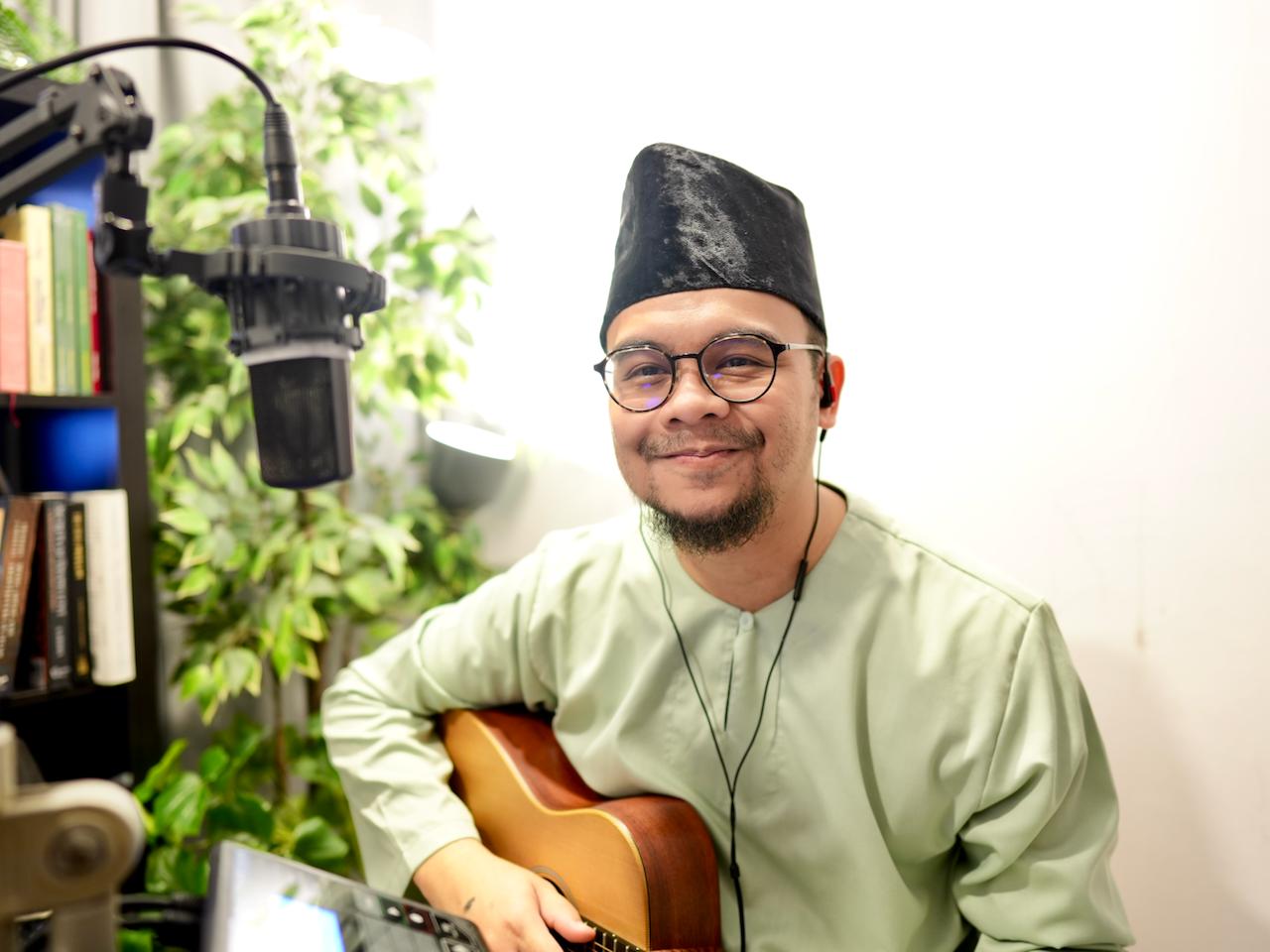
Bakti Khair, who is graduating from LASALLE’s MA Music Therapy programme, is a former music educator who wanted to utilise music in a more meaningful way to help those in …
Media release: NUH and LASALLE launch Sustainable Medicine Design Lab to rethink healthcare ecosystems through deep ethnography and design research
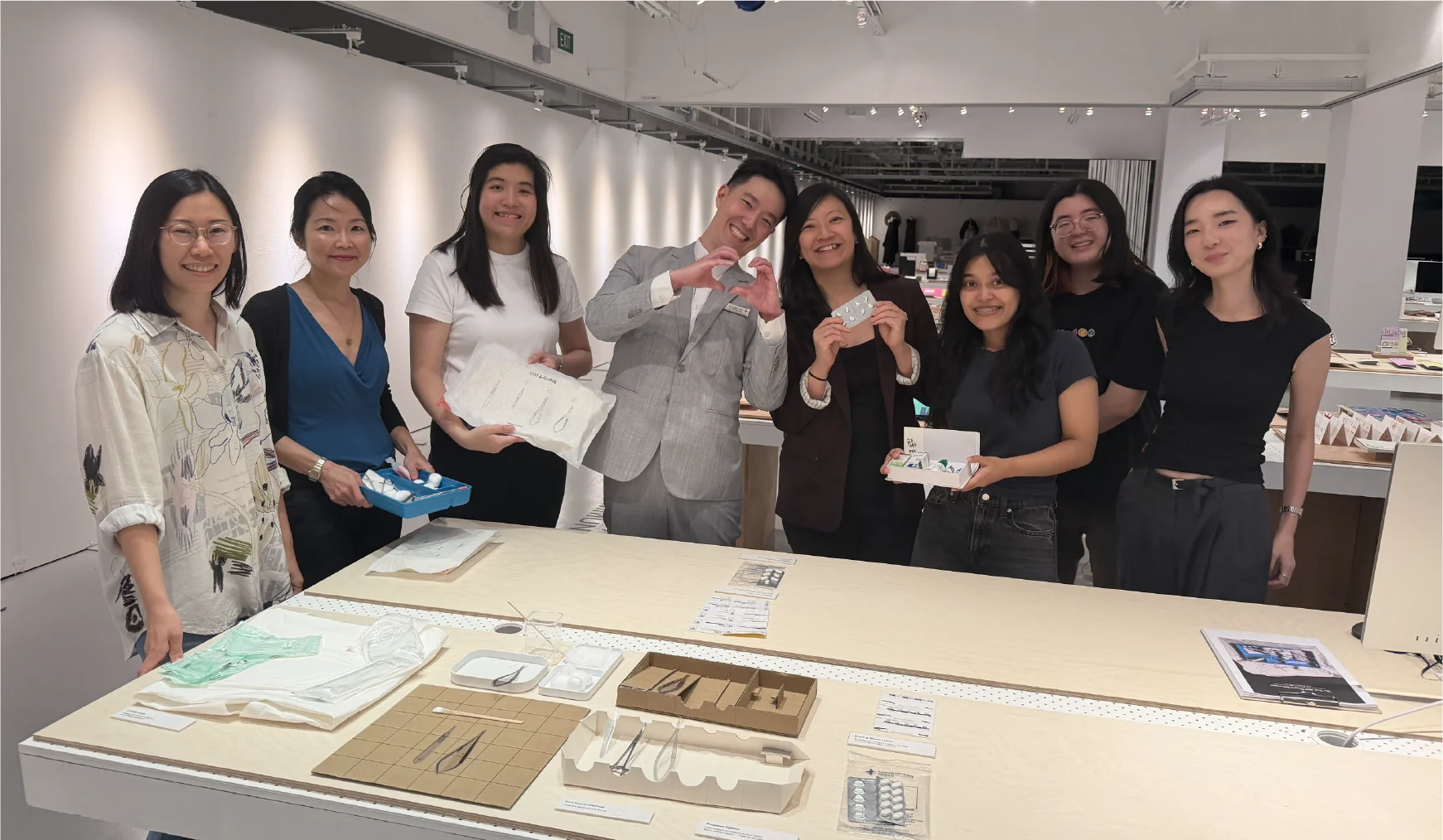
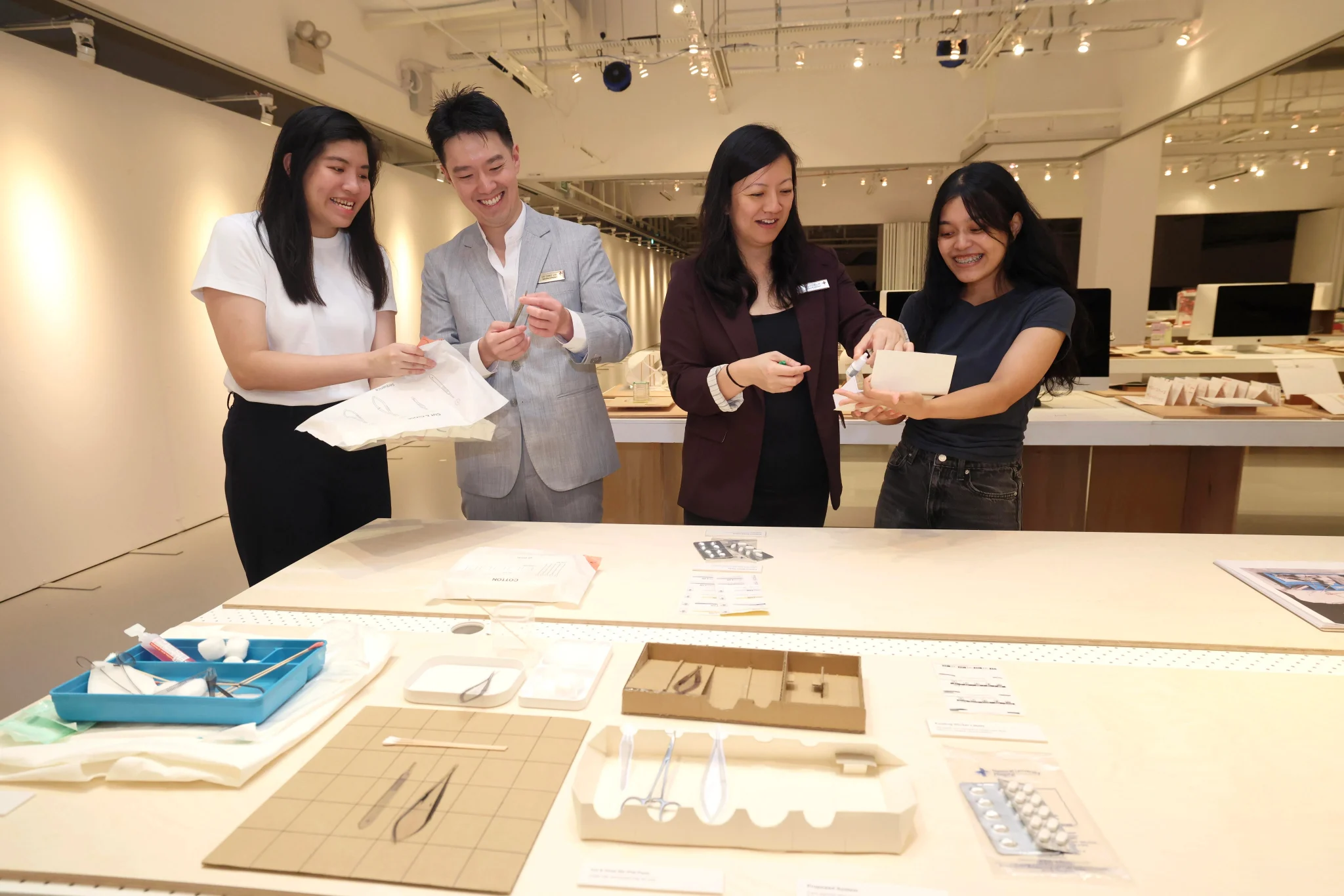
The National University Hospital (NUH) and LASALLE College of the Arts, University of the Arts Singapore (LASALLE) have established a first-of-its-kind Sustainable Medicine Design Lab, bringing together clinicians, designers and …
Lianhe Zaobao: National University Hospital and LASALLE College of the Arts collaborate to innovatively optimise healthcare details and adopt green practices
The National University Hospital and LASALLE College of the Arts have established a first-of-its-kind Sustainable Medicine Design Lab, bringing together clinicians, designers and students to develop design interventions for more …
Over 600 original student works in contemporary arts, design and performance to be unveiled at The LASALLE Show Exhibition 2026
Over 600 works by final year students from the Diploma, BA (Hons) and MA programmes at LASALLE College of the Arts, University of the Arts Singapore will be unveiled at …
The Straits Times: Setting the right tone for recovery
In this article, The Straits Times looks into the field of music therapy in Singapore, and how the clinical and evidence-based profession uses music to improve physical, emotional, cognitive and …
Lianhe Zaobao: Young people enrol in the new University of the Arts Singapore to pursue artistic dreams and passion
Lianhe Zaobao explores what the first cohort of students of the University of the Arts Singapore — formed by an alliance between LASALLE College of the Arts and Nanyang Academy …
The Straits Times: Diversity calling
The new University of the Arts Singapore (UAS), formed by an alliance between LASALLE College of the Arts and Nanyang Academy of Fine Arts, is welcoming its first batch of …
Lianhe Zaobao: Enjoy the beauty of the city with creative designs
From 16 May to 30 June 2024, visitors to Marina Square, Millenia Walk, South Beach, Suntec City, and Esplanade – Theatres on the Bay encountered eight delightful pieces of public …
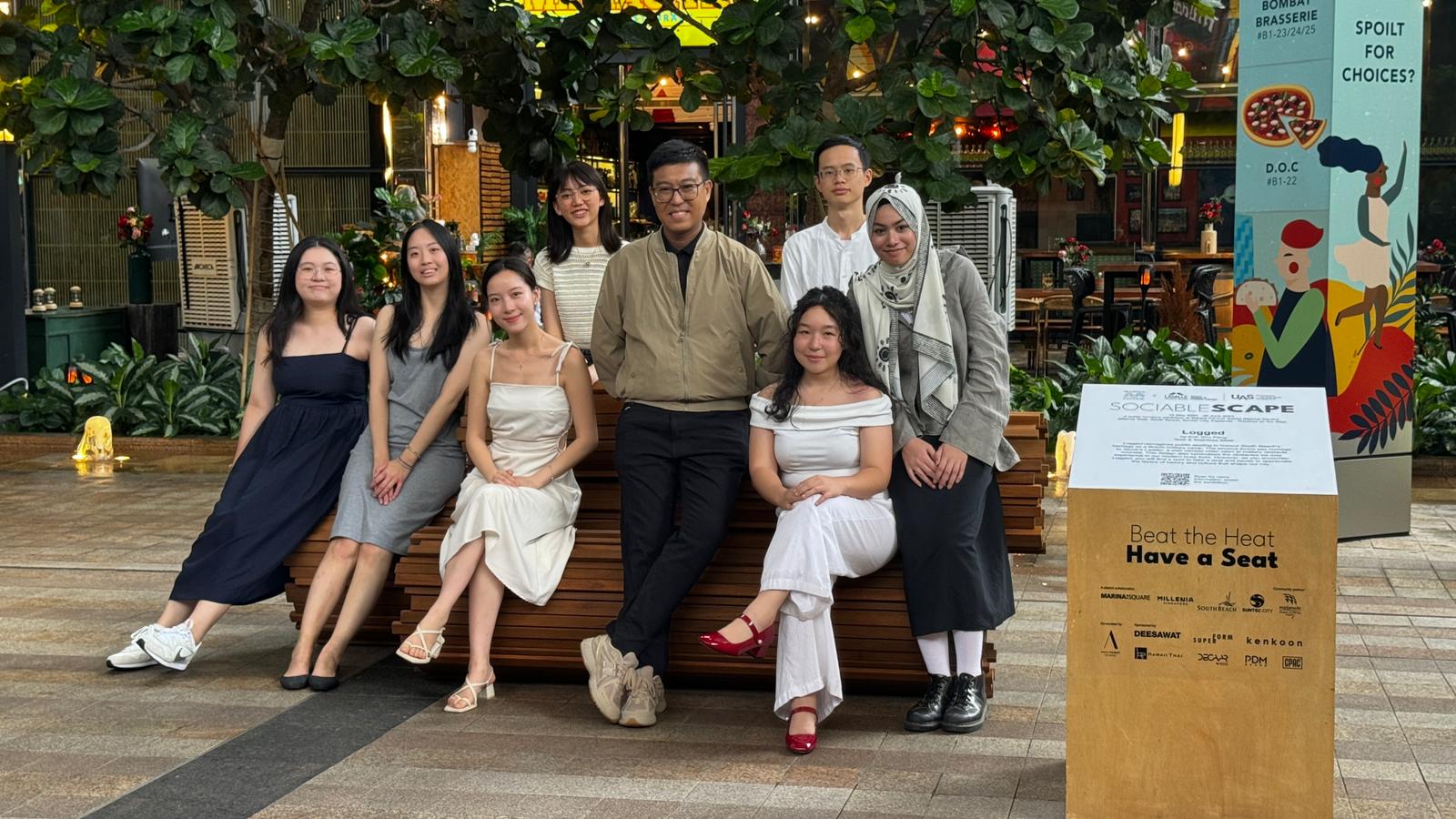
The Straits Times: Bird cage chairs and buddy benches: How design can change lives
By Nur Hidayah When was the last time you saw an infographic that moved you? If you can’t think of one, you are definitely not alone. Infographics are simple to …
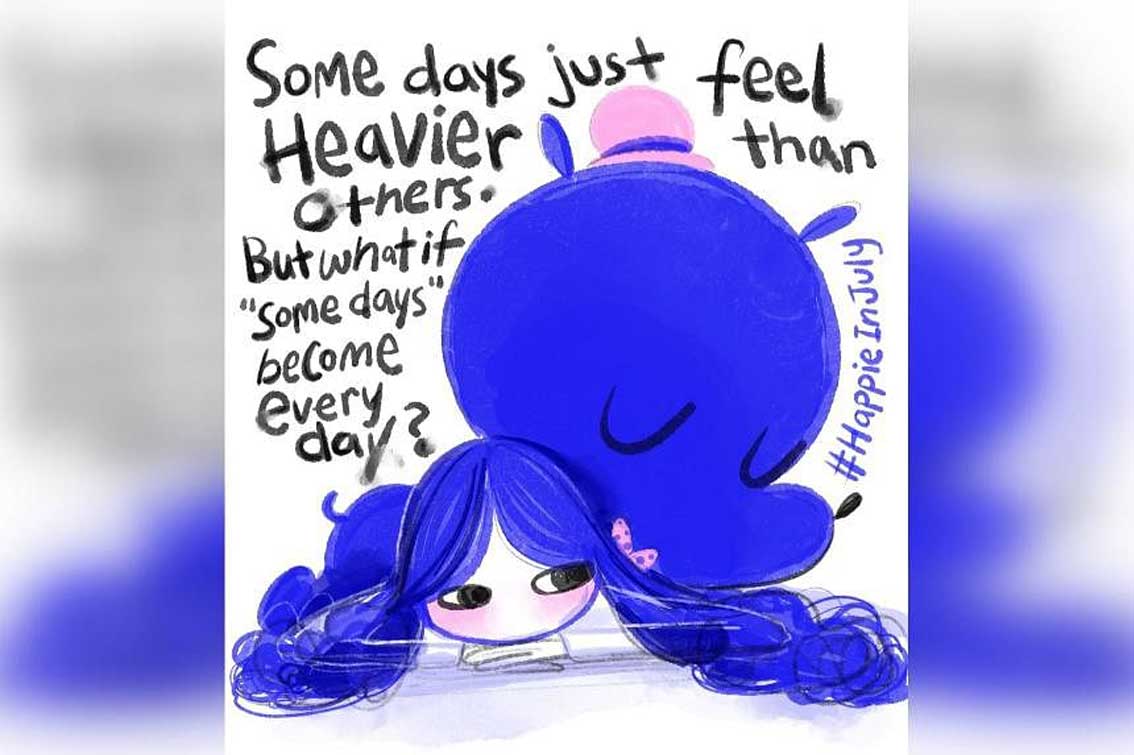
Lianhe Zaobao: Managing art is no easy feat
Arts managers play a crucial role in the creative industries and undertake diverse responsibilities in supporting artists as well as arts and cultural organisations. In this article exploring the role …
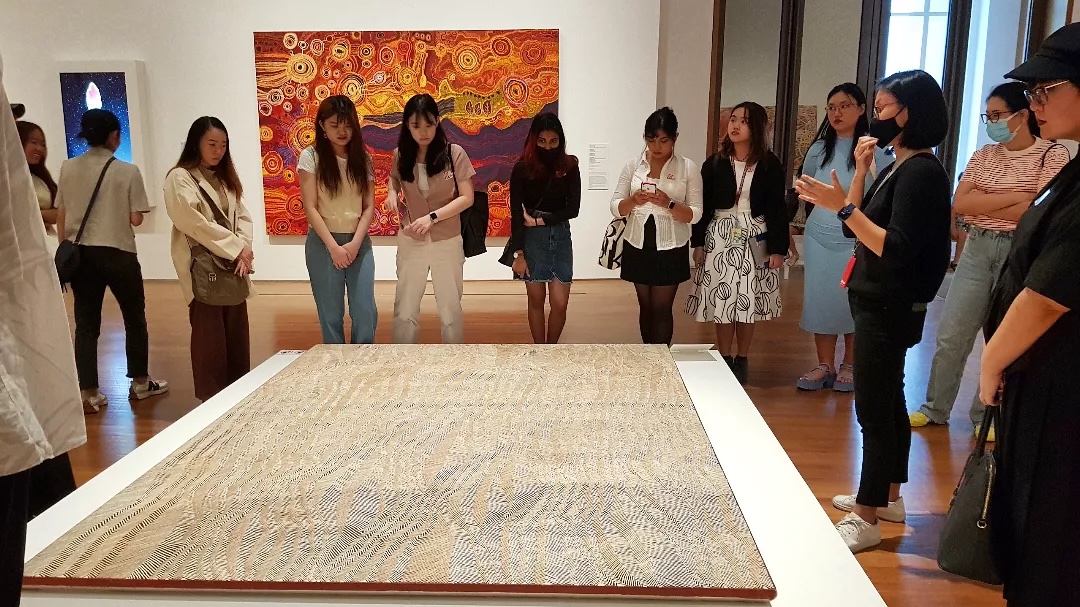
Media release: Celebrating ten years of exploring cultural heritage through public art
The multidisciplinary public arts festival ARTWALK will return to the vibrant streets of Little India and Katong-Joo Chiat from 19 to 28 January 2024. Part of Singapore Art Week, ARTWALK …
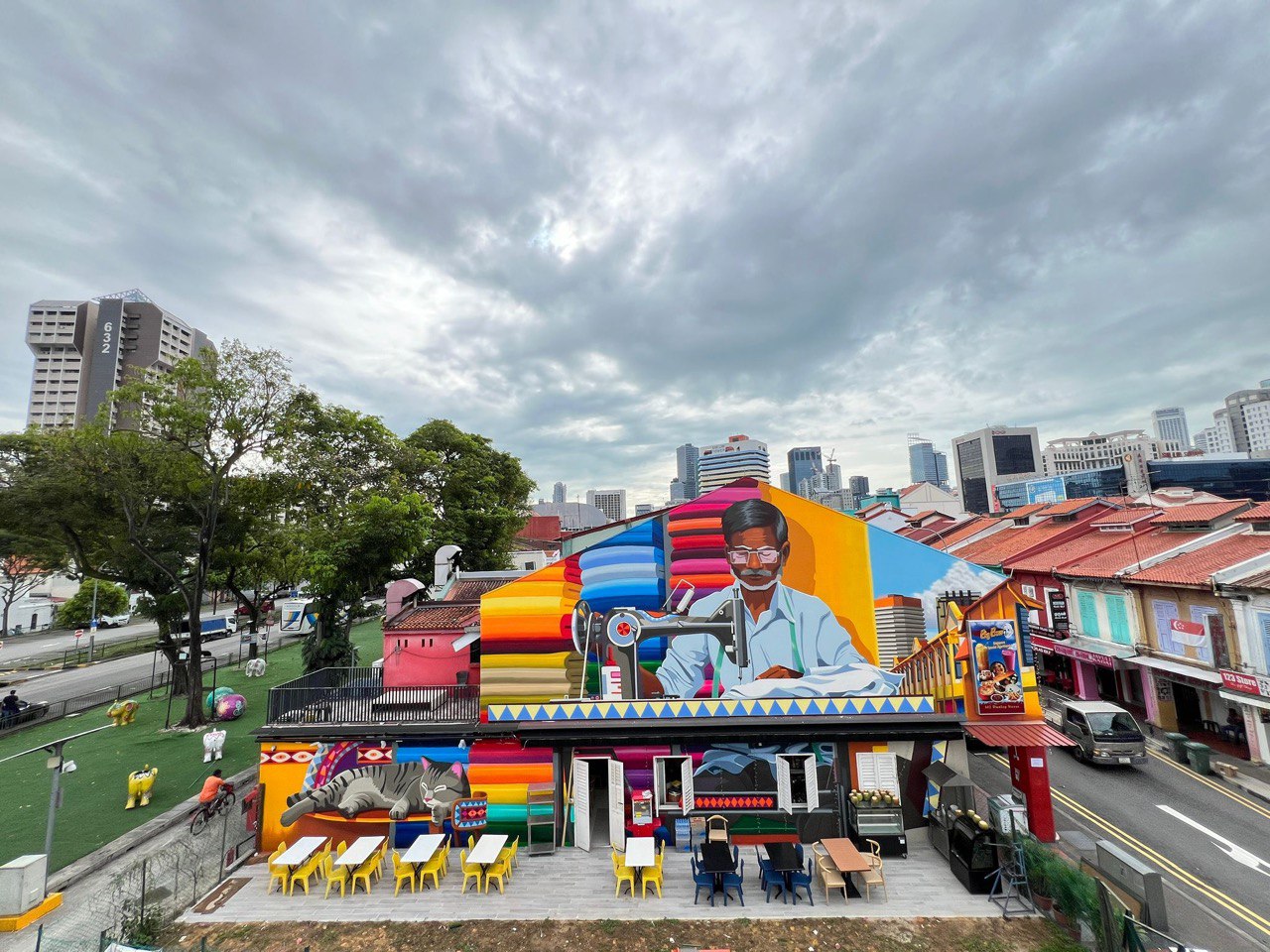
Lianhe Zaobao: LASALLE introduces Singapore’s first MA programme in music therapy
LASALLE’s new MA Music Therapy programme is a response to the growing recognition of the important contribution music therapy can make to enabling people to tackle the challenges and difficulties …
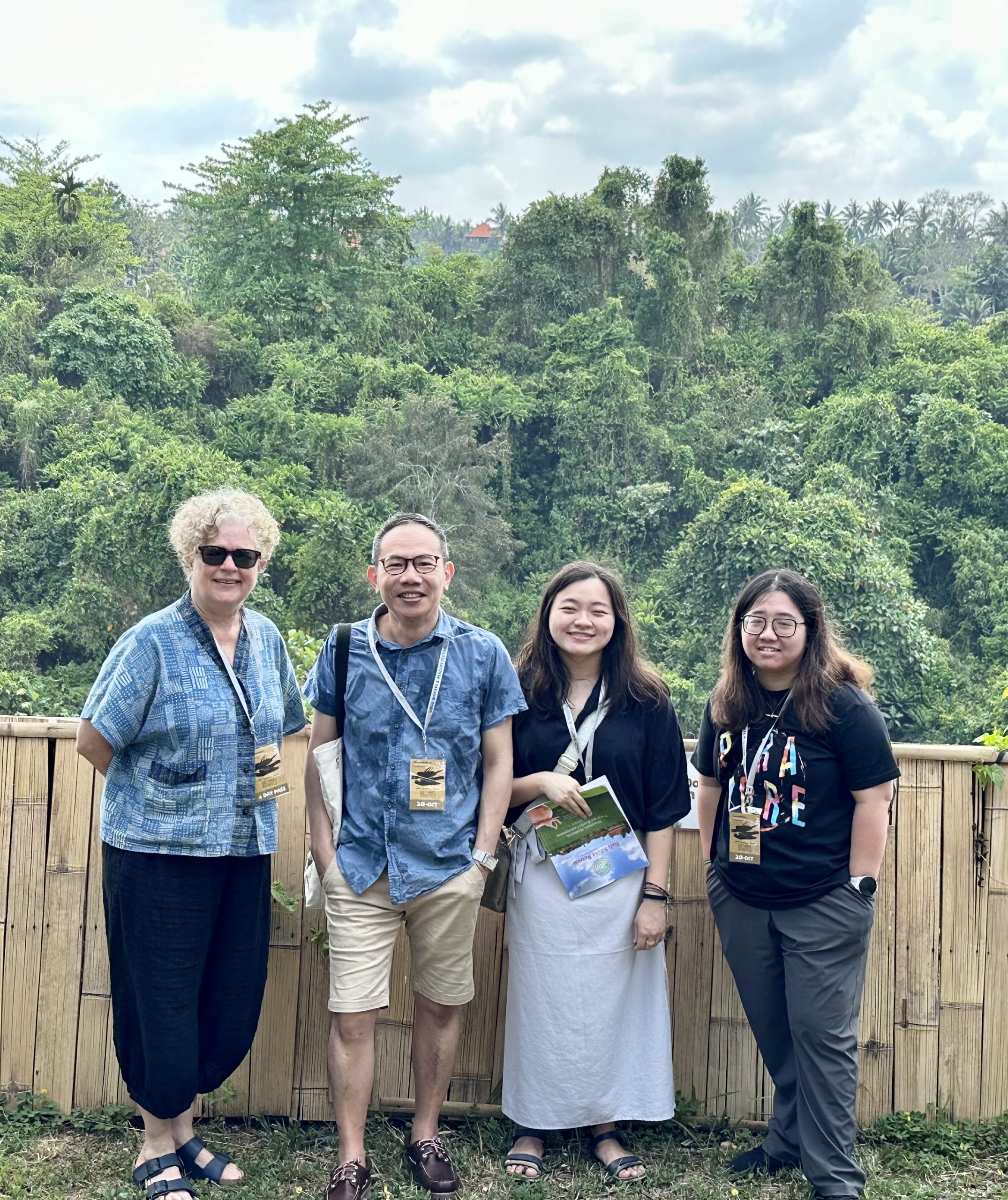
The Straits Times: ‘How do you compete with Bali?’
In October 2023, six LASALLE MA Creative Writing students travelled with Programme Leader Dr Rosslyn Prosser to the world-renowned Ubud Writers & Readers Festival in Bali, Indonesia. Over a packed …
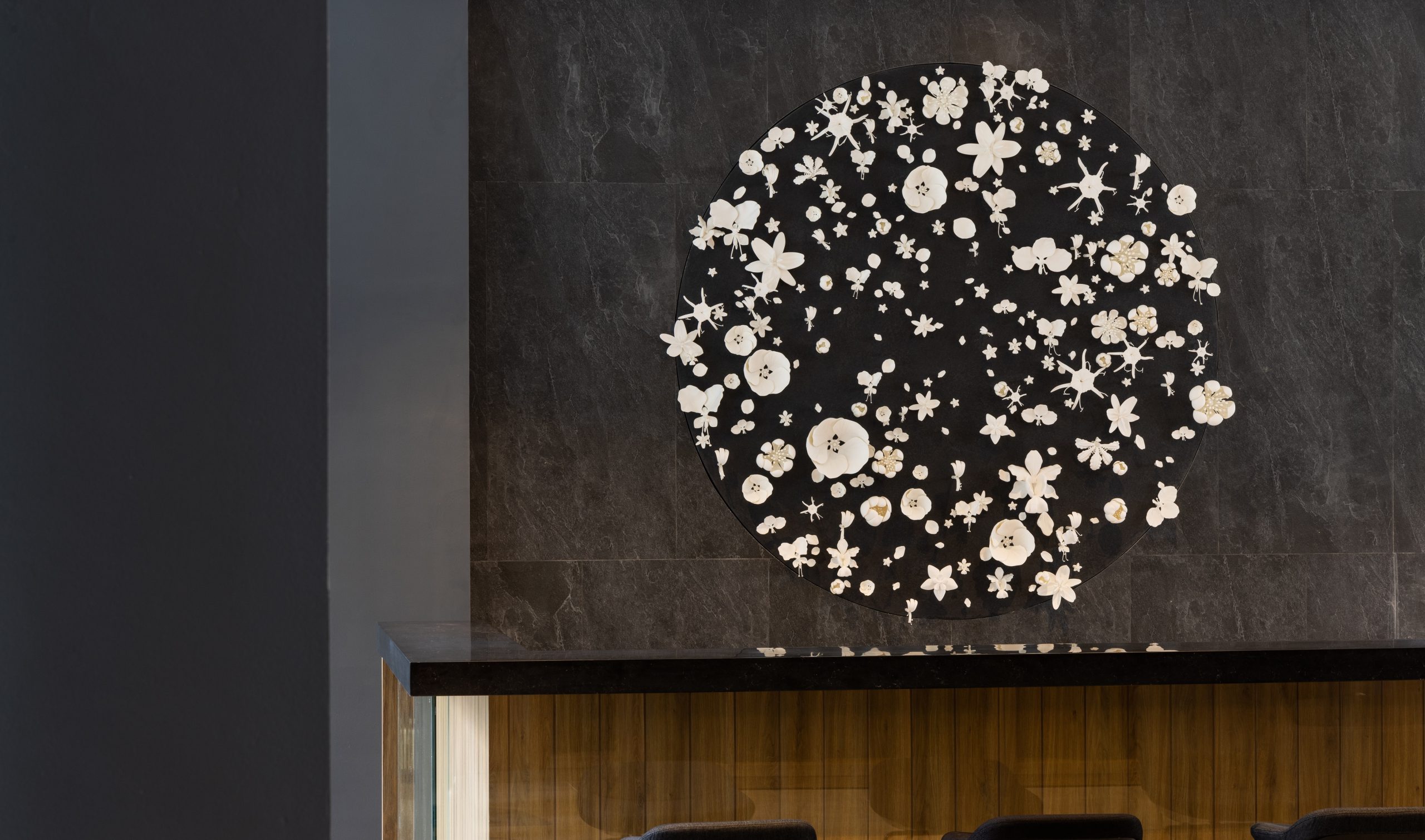
Media release: Wing Tai unveils Urban Living Art collaboration with LASALLE College of the Arts at The M
Wing Tai Asia (Wing Tai) and LASALLE College of the Arts (LASALLE) have unveiled the Wing Tai x LASALLE Urban Living Art collaboration at Wing Tai’s newly completed residential development …
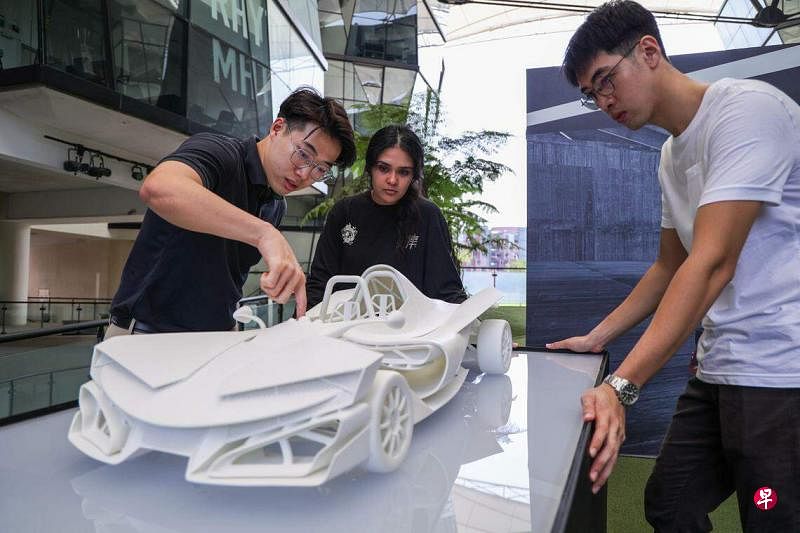
Lianhe Zaobao: LASALLE and SUTD teams come up with electric sports car with insect-inspired body shell
Using 3D printing technology and drawing inspiration from the biological structures and characteristics of insects, Tithonus is a revolutionary electric vehicle design developed from a collaboration between LASALLE’s BA (Hons) …
Channel NewsAsia: SUTD and LASALLE students team up to build electric vehicle from scratch
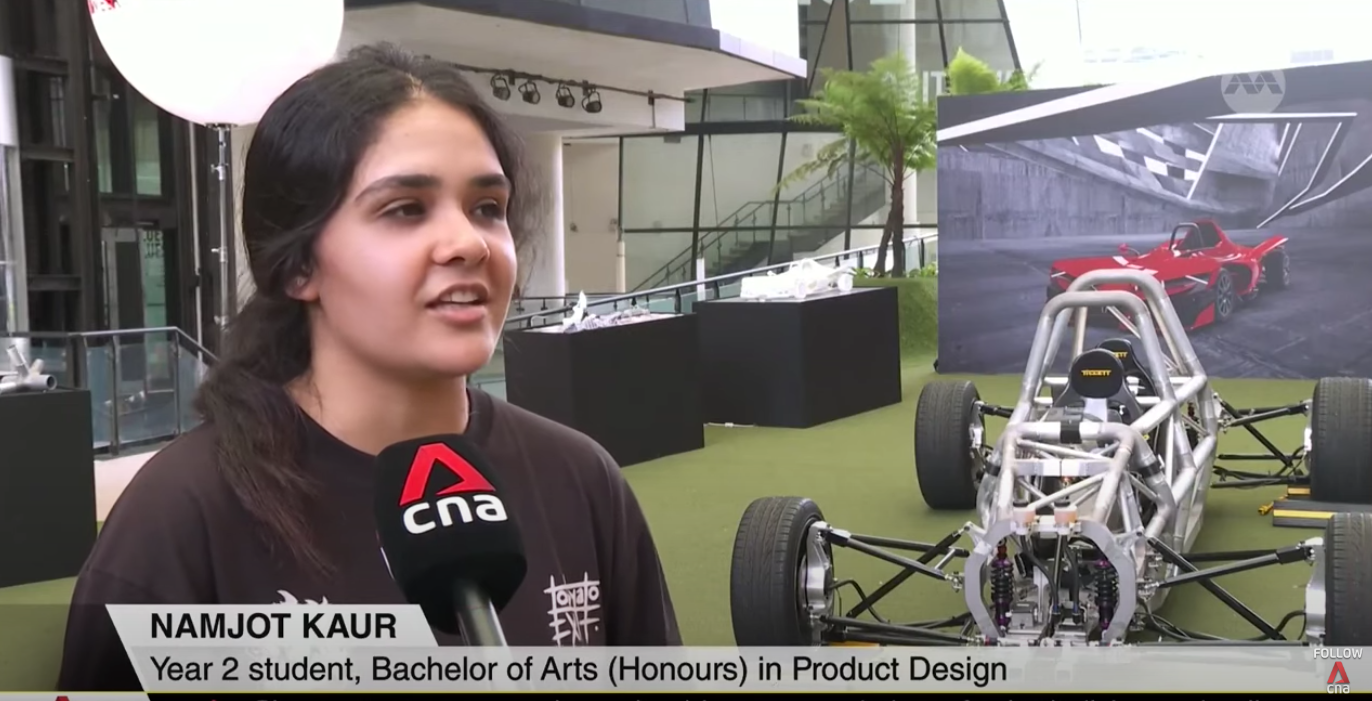
A collaboration between LASALLE College of the Arts and the Singapore University of Technology and Design is attempting to revolutionise electric vehicle design. Combining engineering excellence and design innovation, this …
Media release: Diverse career pathways for arts graduates: LASALLE College of the Arts introduces five new degree programmes
LASALLE College of the Arts, University of the Arts Singapore (LASALLE) has unveiled five new degree programmes in emerging areas within the global creative economy: Bachelor of Arts (Honours) Art …

Lianhe Zaobao: LASALLE programmes include technologies to prepare students for the future
In this article, Lianhe Zaobao expounds on how LASALLE has been embracing new technologies in its teaching and learning, as shared by Minister for Communications and Information Mrs Josephine Teo …
Tamil Murasu: Creations that protect the cultural components
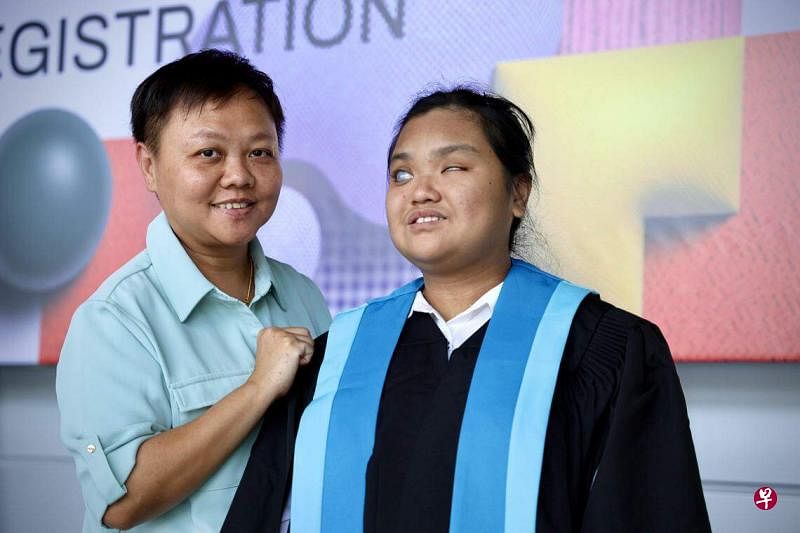
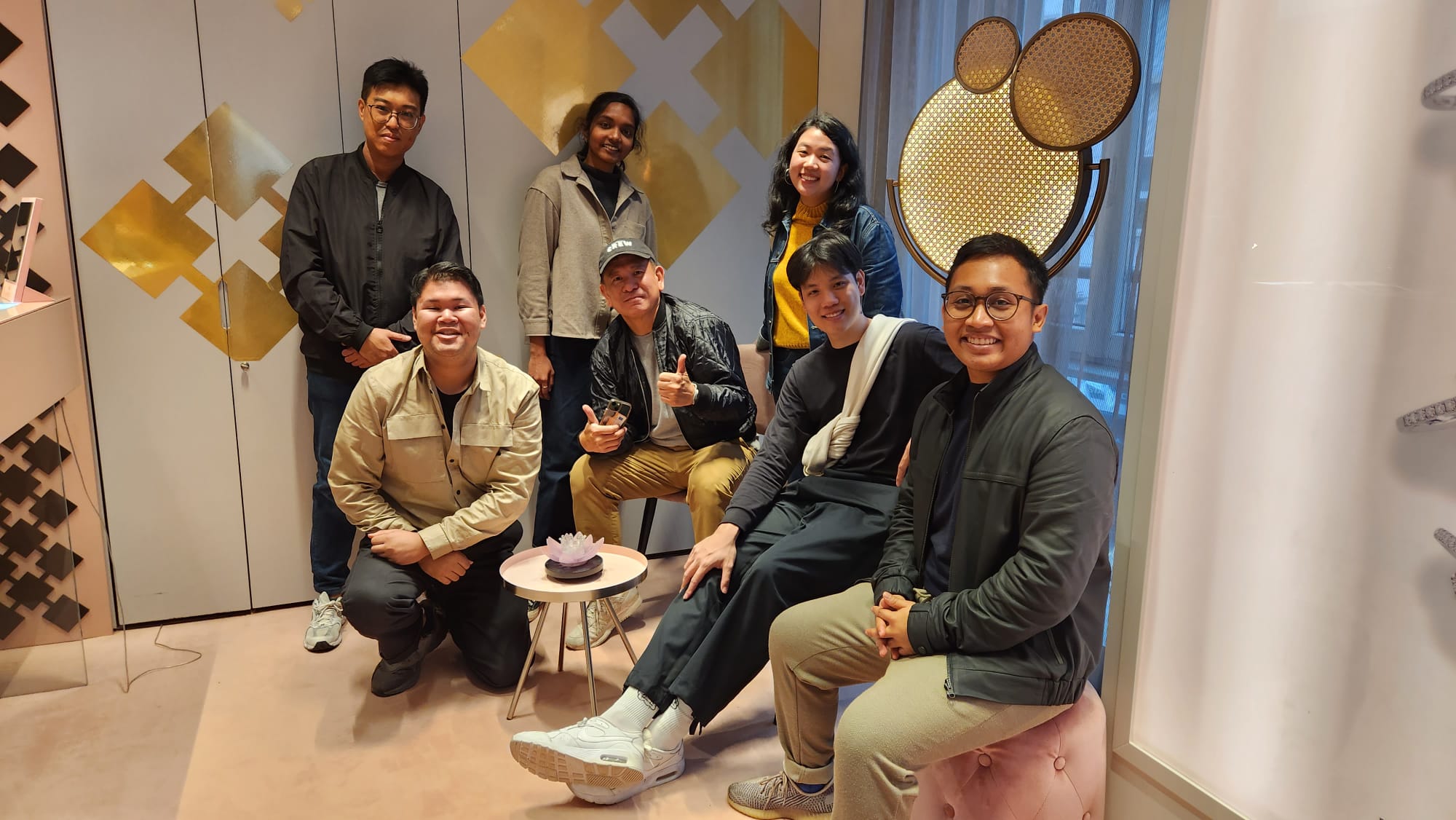
A group of students from the BA(Hons) Product Design programme were challenged to design lamps inspired by Diwali, the festival of lights, and these creations were showcased at Milan Design Week …
BERITAmediacorp: LASALLE College of the Arts’ Rock and Indie Festival (RIF) 2023
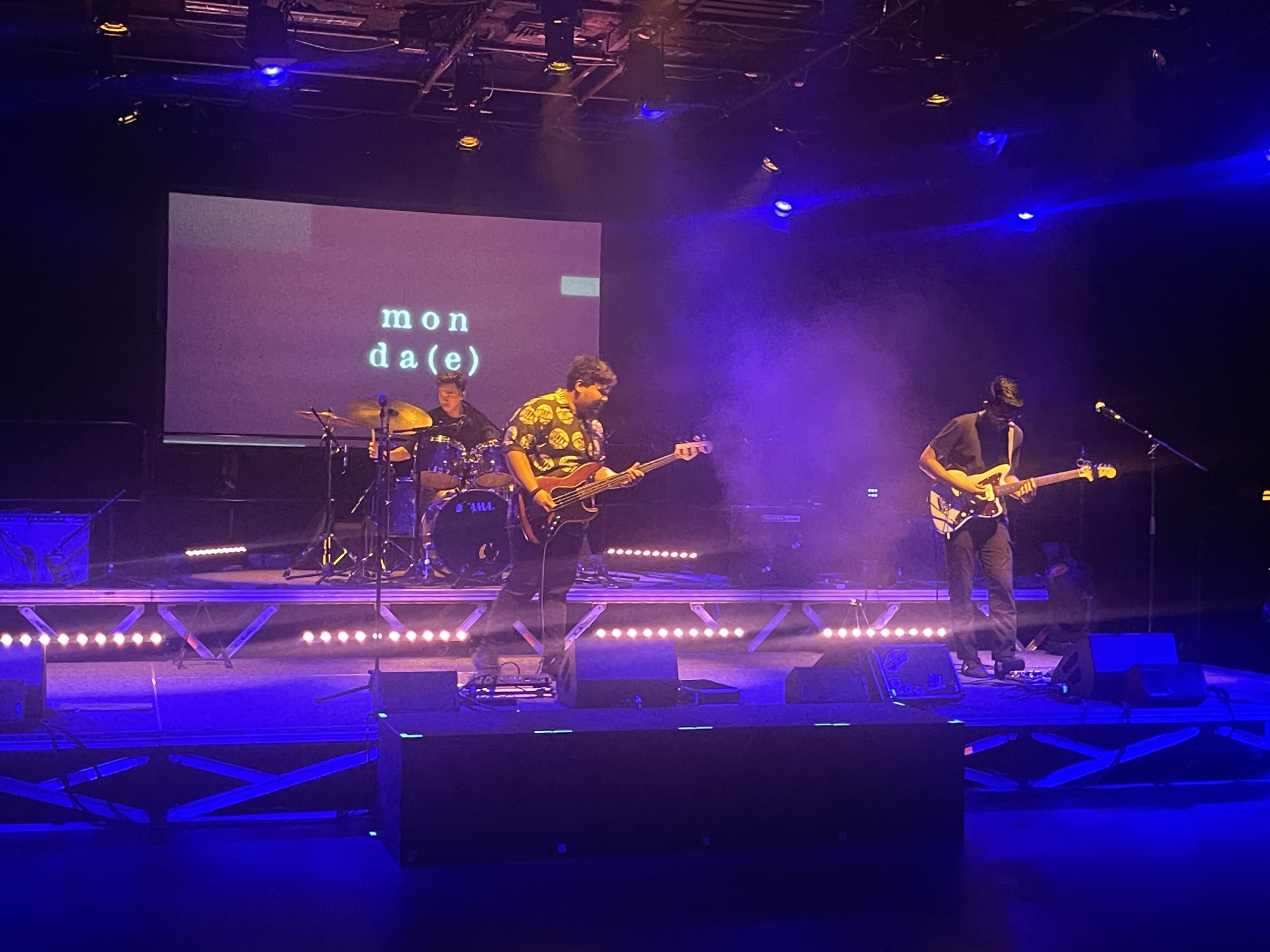
The sixth edition of the Rock and Indie Festival (RIF) 2023 at LASALLE College of the Arts will run for two nights on Feb 10 and Feb 11, promising a …
Media release: Celebrate the diversity of Singapore’s underground music scene at LASALLE College of the Arts’ Rock & Indie Festival
Rock & Indie Festival (RIF) is returning for its sixth edition on 10 and 11 February 2023 at LASALLE College of the Arts, with a lineup of eight acts including …

The Straits Times: ARTWALK Festival
The multidisciplinary public arts festival ARTWALK returned to the vibrant streets of Little India and Katong-Joo Chiat for its ninth edition from 6 to 15 January 2023. The festival centred …
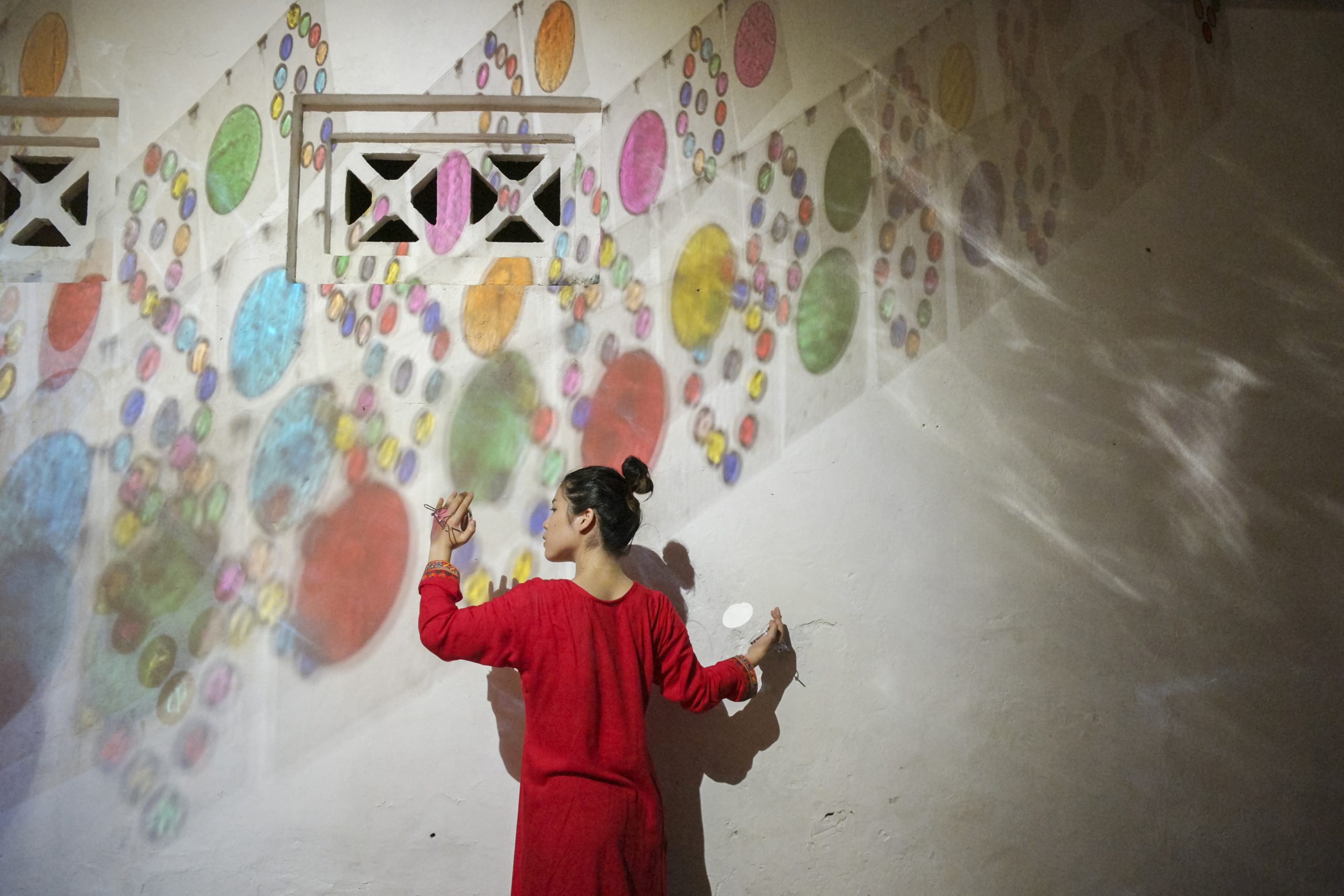
Tabla!: Echoes of Little India
The multidisciplinary public arts festival ARTWALK returned to the vibrant streets of Little India and Katong-Joo Chiat from 6 to 15 January 2023. The ninth edition of ARTWALK explored the …
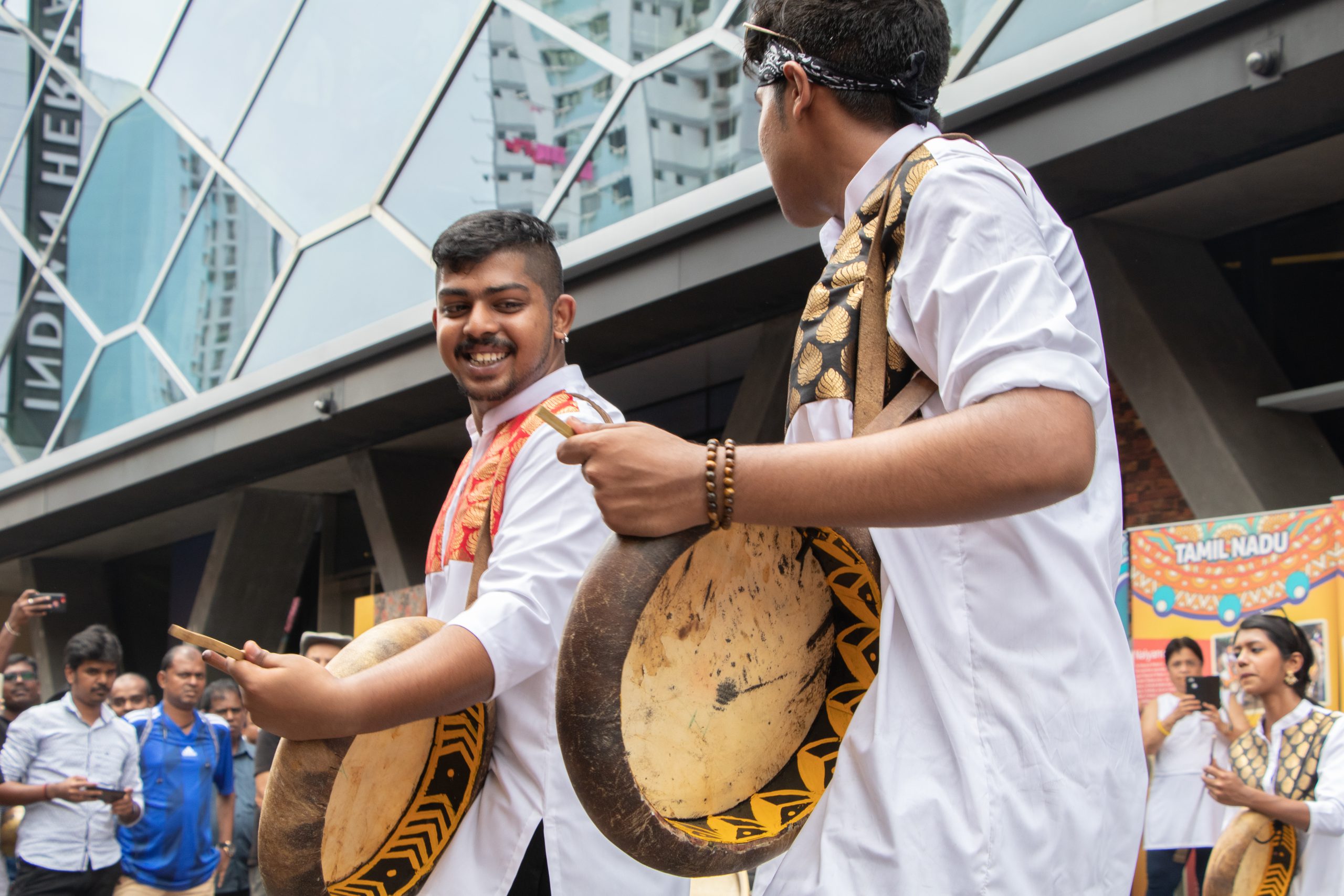
Media release: Echoing Singapore’s cultural heritage through public art
The multidisciplinary public arts festival ARTWALK will return to the vibrant streets of Little India and Katong-Joo Chiat for its ninth edition from 6 to 15 January 2023. ARTWALK 2023 …
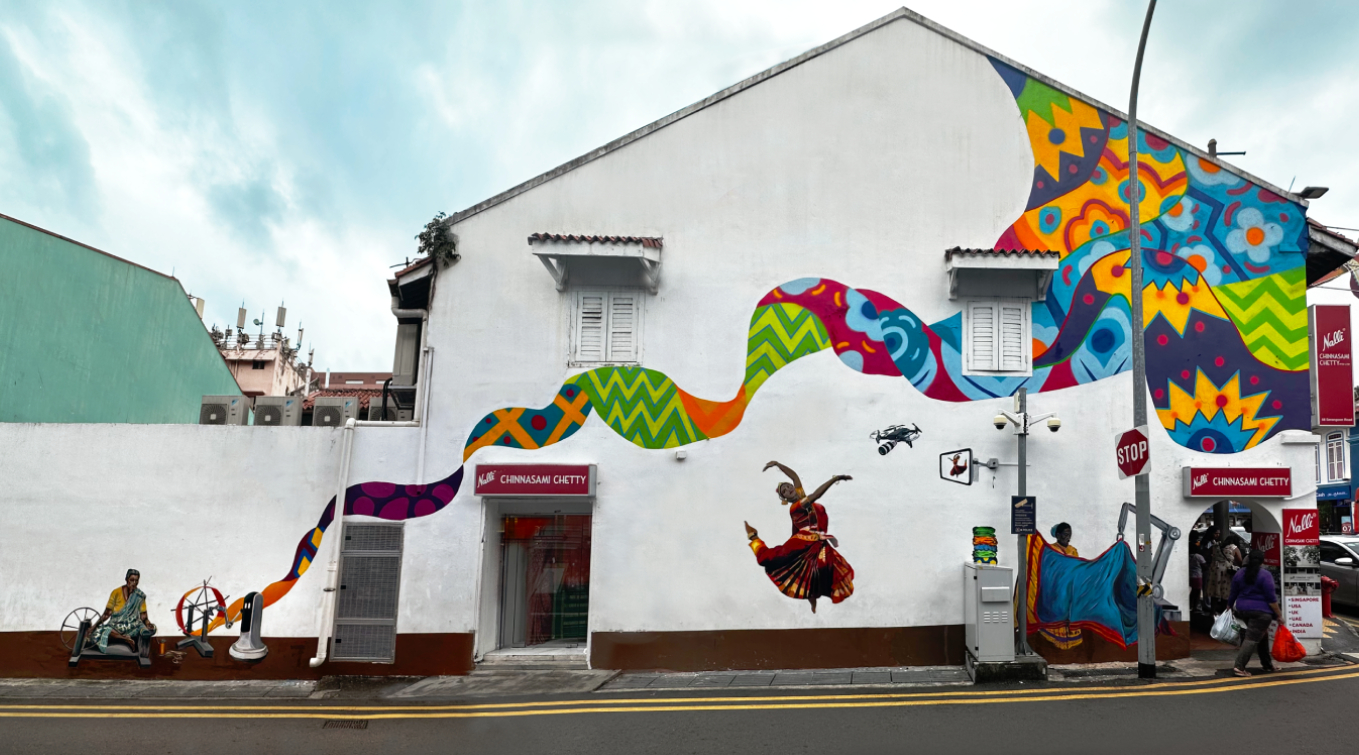
The Straits Times: Duo hope to hit pay dirt with sustainable alternative to clay
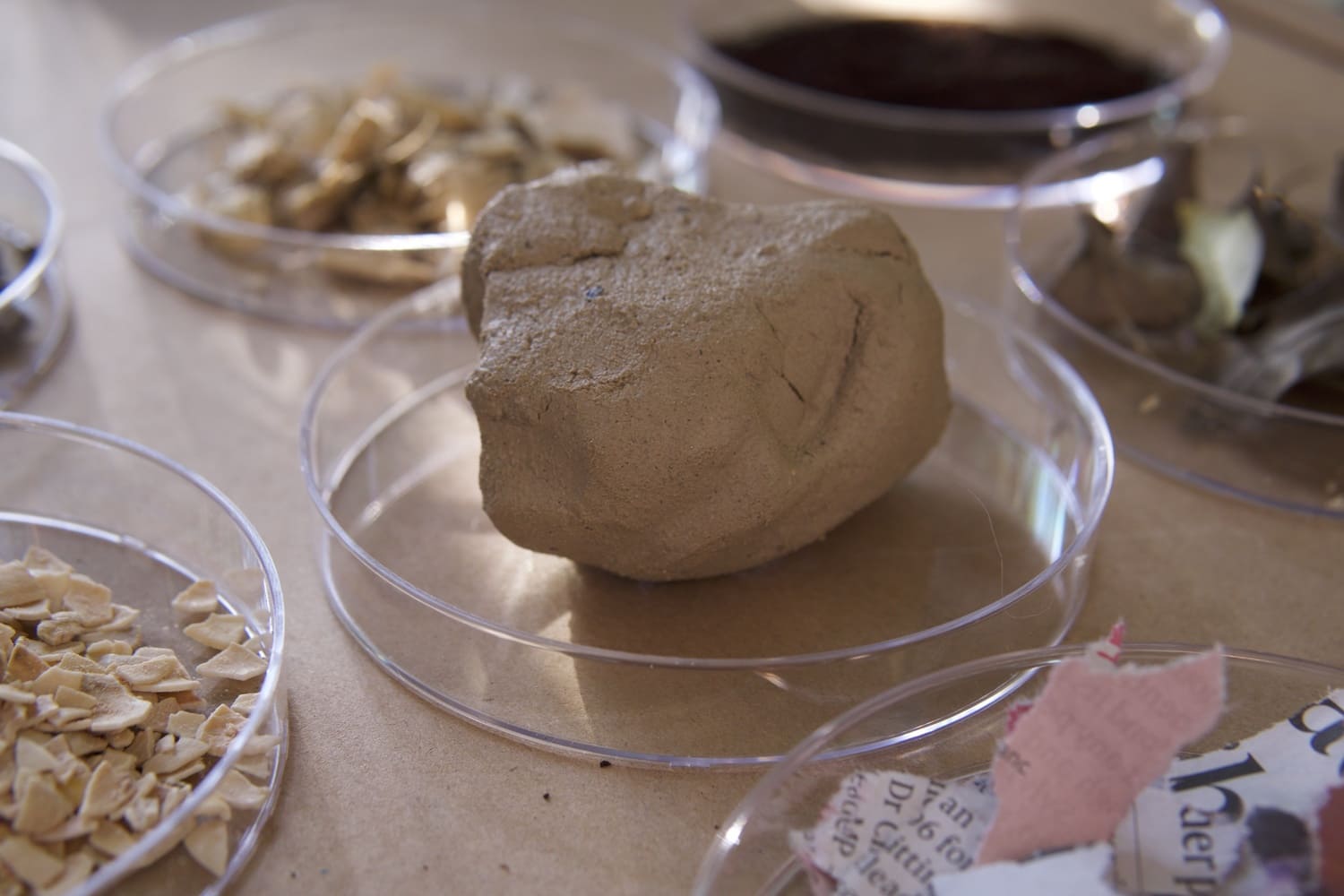
After developing the first batch of Ferticlay, a new sustainable clay material made of food waste, BA(Hons) Interior Design graduate Jodie Monteiro decided to hone her product design and business …
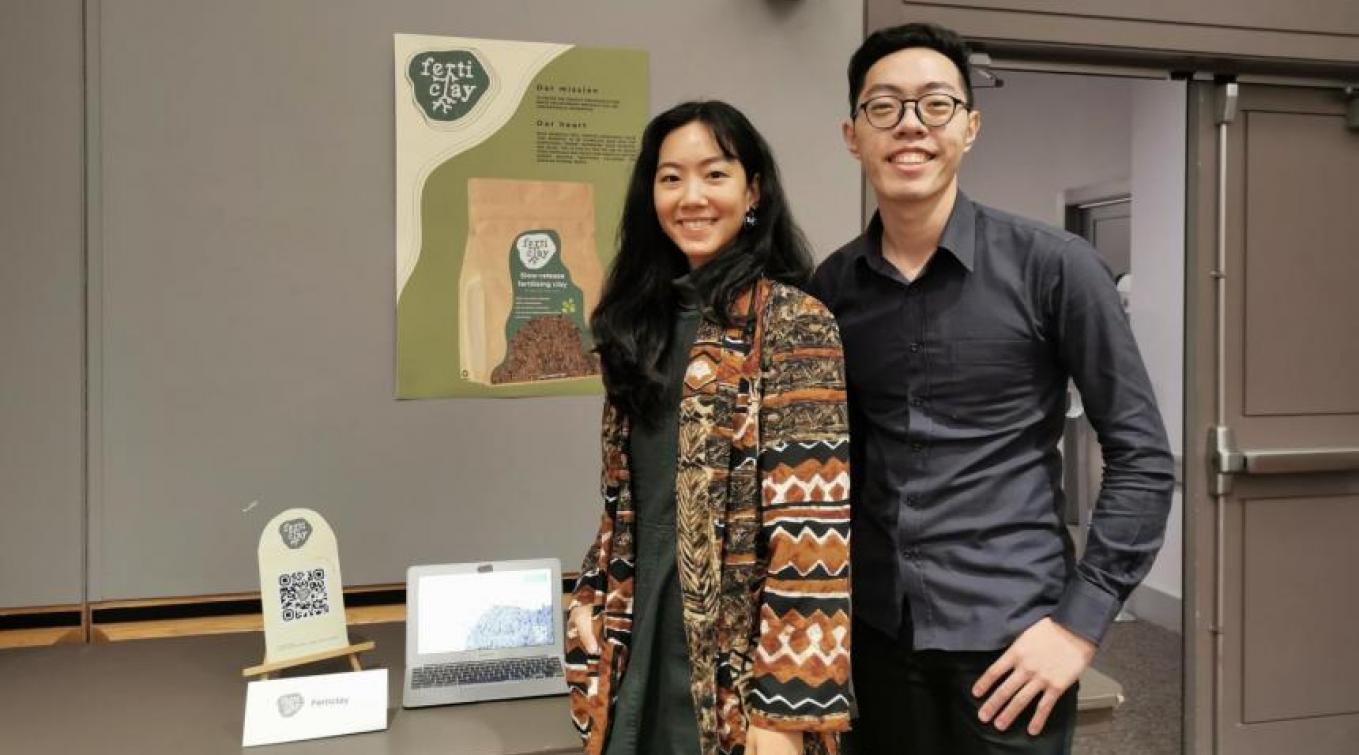
Lianhe Zaobao: Entrepreneurship before graduation
LASALLE’s Programme for LASALLE Creative Entrepreneurs (PLACE) is a creative entrepreneurship programme by the Faculty of Design. It mentors fresh graduates or students to develop their ideas into ventures that …
Media release: Using art to turn negative spaces into positive ones at Raffles Place
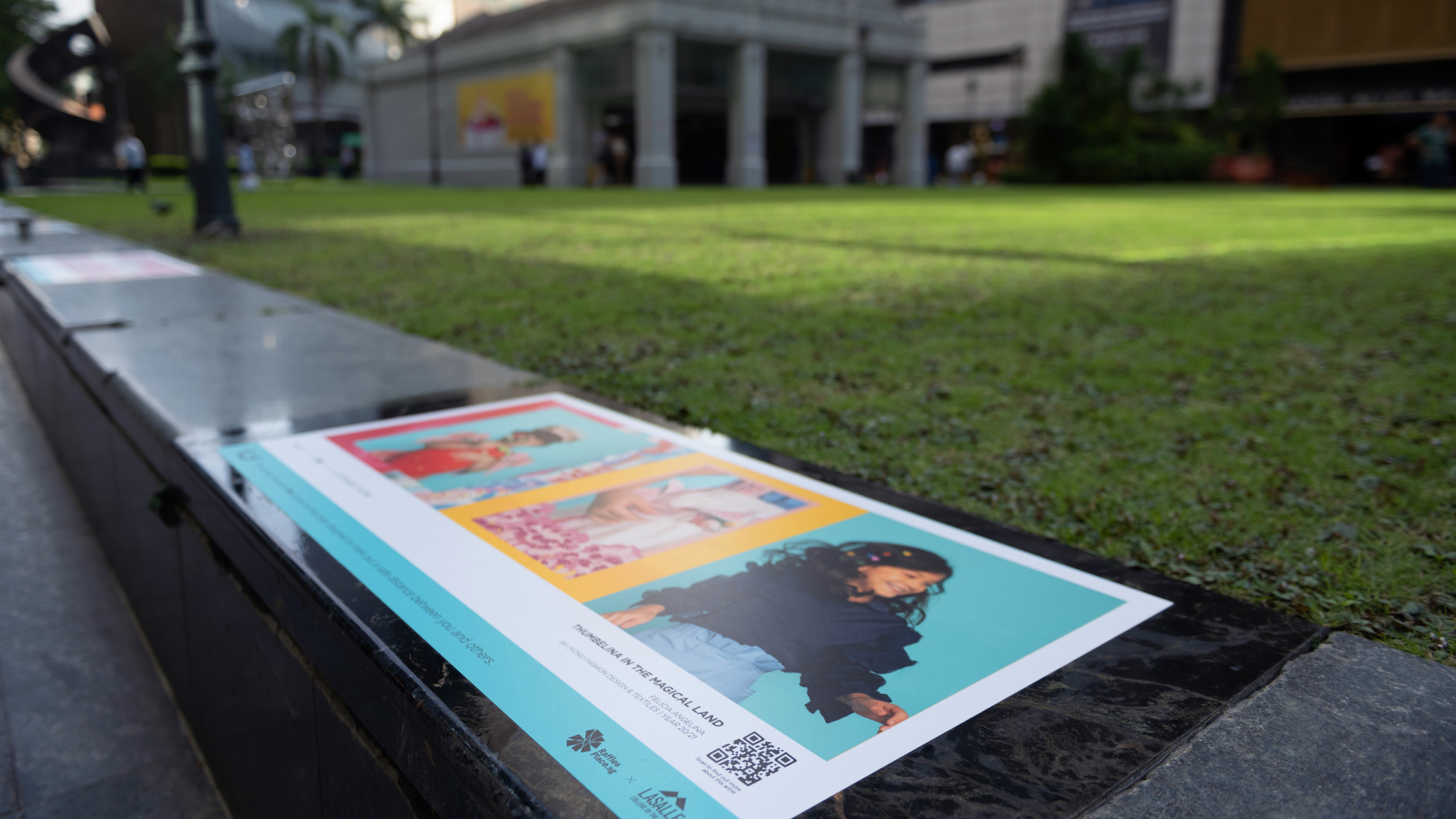
LASALLE College of the Arts, Raffles Place Alliance and Publicis Singapore have come together to present an exhibition that transforms negative social distancing spaces into positive spaces for art. In …
Media release: ARTWALK returns for eighth edition, to include Katong-Joo Chiat precinct for the first time
After seven successful years in Little India, the iconic ARTWALK event will expand beyond its home ground for the first time to include Katong-Joo Chiat. The eighth edition, which runs …