


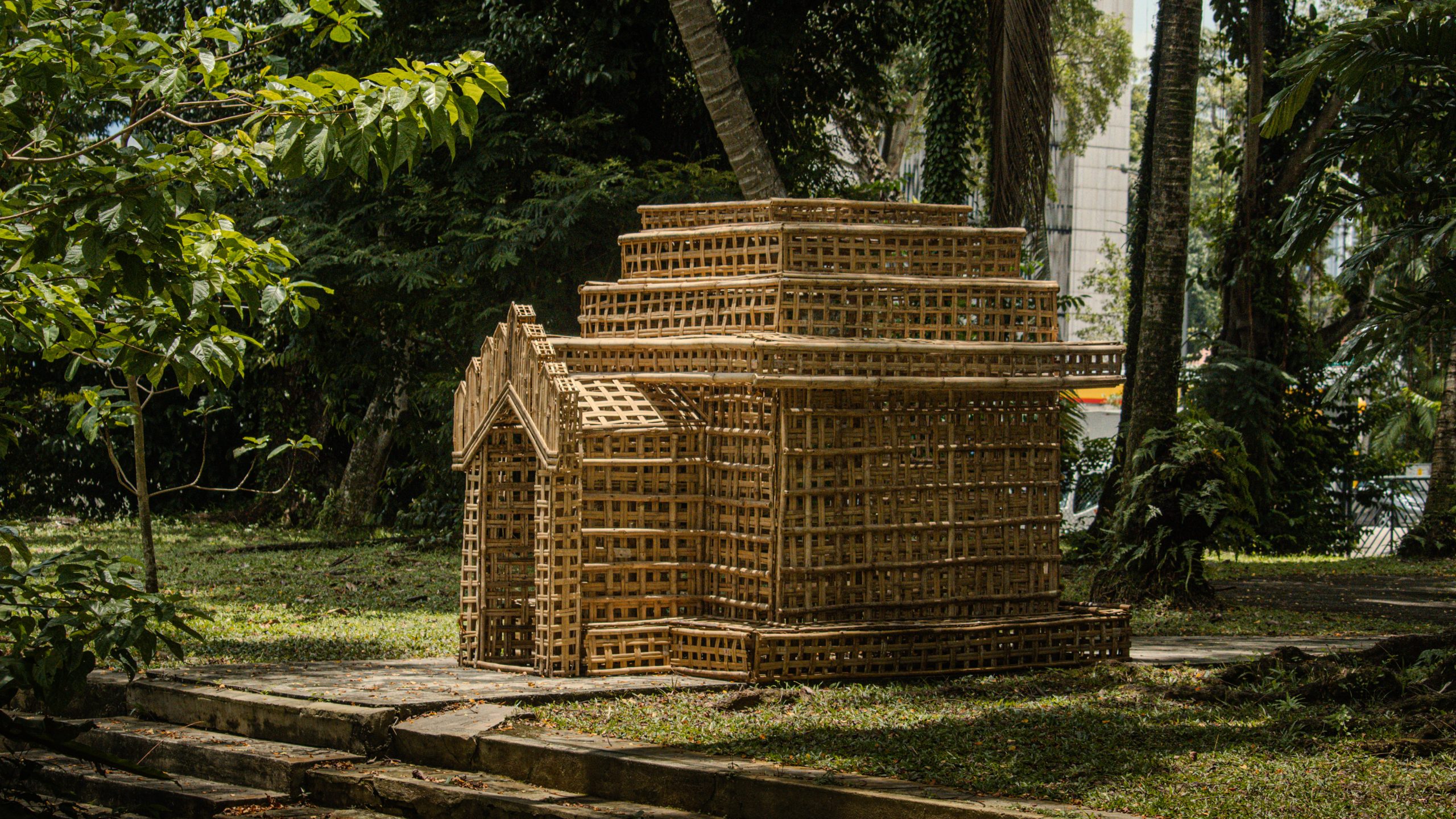

Diploma in Spatial Design
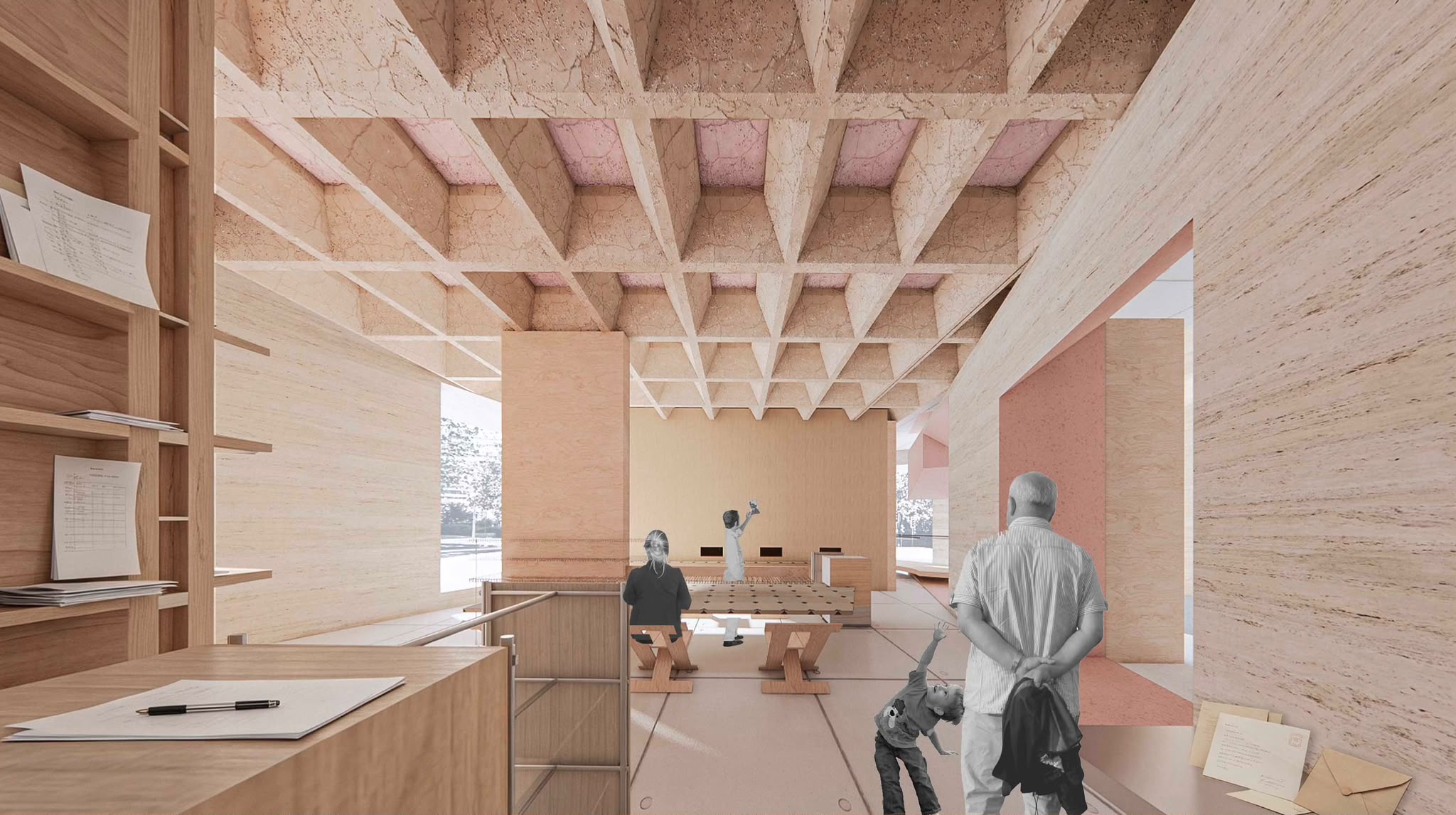
Apply by 1 Nov 2026
Application outcomes will be announced by 23 Dec 2026
For Diploma in Music
Apply by 28 Feb 2027
Application outcomes will be announced by 2 Apr 2027.
Programme details
Master the skills that shape our environments to transform spaces.
Spatial design is the practice of shaping how we live, work and connect. By examining the relationship between human experience and the built environment, you will learn to design purposeful, responsive spaces.
The programme provides a comprehensive foundation in spatial planning across diverse sectors—from residential and hospitality to institutional and retail design. A strong grounding in historical and contemporary design will strengthen your understanding of how spatial decisions shape environments and experiences.
You will be introduced to how spaces are made, as well as how spatial decisions influence experience and meaning. Through studio practice, industry engagement and entrepreneurial insights, you will build strong design foundations to contribute confidently across both design and non-design fields.
The curriculum is based on essential design principles. You will develop core technical skills and practical knowledge through exploration, experimentation and critical thinking. Learning takes place in studio settings using both traditional and advanced digital tools for communication and 3D visualisation.
The programme stays current through active engagement with industry and collaboration with professional partners across disciplines. Business strategy and professional practice modules equip students with the knowledge and confidence to navigate industry contexts and pursue entrepreneurial initiatives. Engagement with practitioners and professionals provide real-world insights that strengthen employability and long-term career development.
Pathway structure
Cross-disciplinary collaborations
Curriculum–industry alignment
|
Year 1 |
||
| Studio 1 |
20 credits |
This module may include the following components:
|
| Craft, Techniques and Technologies 1 |
30 credits |
This module may include the following components:
|
| Elective 1: Branding You (Spatial) |
10 credits |
This module may include the following components:
|
| Studio 2 |
20 credits |
This module may include the following components:
|
| Craft, Techniques and Technologies 2 |
30 credits |
This module may include the following components:
|
| Elective 2: Designing Together (Spatial) |
10 credits |
This module may include the following components
|
|
Year 2 |
||
|
Studio 3 |
30 credits |
This module may include the following components:
|
|
Craft, Techniques and Technologies 3 |
20 credits |
This module may include the following components:
|
|
Elective 3: New Literacies for Hybrid Making (Spatial) |
10 credits |
This module may include the following components:
|
|
Studio 4 |
30 credits |
This module may include the following components:
|
|
Craft, Techniques and Technologies 4 |
20 credits |
This module may include the following components:
|
|
Elective 4: Navigating Tangible and Virtual Worlds (Spatial) |
10 credits |
This module may include the following components:
|
|
Year 3 |
||
|
Internship |
20 credits |
|
|
Final Year Praxis |
40 credits |
|
|
Studio 5 |
60 credits |
This module may include the following components:
|
- Practical portfolio
- Creative Process Journal
- Technical folder
- Journal
- Portfolio (pass/fail)
|
The LASALLE Diploma framework is anchored in a professional and self-directed approach, with the aim of nurturing highly-engaged, self-assured student learners of the 21st century. The Diploma framework has a modular structure which involves the following core modules: |
|
| Studio |
Studio modules primarily anchor you to a particular field/discipline of study. All Studio modules assess you in writing and ensure adequate historical and theoretical contextualisation are embedded. These modules serve as sites of creative inquiry, providing opportunities for you to discover, investigate and apply ideas, methods and materials. They also create space for cross-disciplinary practices, enabling you to engage with perspectives and approaches beyond your primary discipline. The Final Project culminates in a major studio work which encourages you to demonstrate your artistic practice, conceptual and technical rigour. |
| Craft, Techniques and Technologies |
The Craft, Techniques and Technologies modules prepare you to appreciate and develop the requisite technical skills for your creative work. The particular emphasis is on honing craft, building strong technique and fluid engagement with digital/technological skills. These capabilities are aligned with and mapped to SkillsFuture Singapore’s Skills Framework, ensuring that your technical and applied skills are future-proofed and benchmarked against current industry standards and relevant 21st-century competencies that underpin effective studio practice. |
| Electives |
Electives both broaden and deepen your learning, allowing you to explore new areas of interest while enriching your understanding and practice within your core discipline. By engaging with diverse subjects and approaches, you gain fresh perspectives that enrich your primary practice, strengthen critical thinking, and enhance your capacity for innovation. Designed to reflect emerging industry developments, electives strengthen your professional readiness by helping you develop relevant, future-focused skills and a more versatile creative profile. |
| Internship, Final Year Praxis |
In Year 3, you will embark on internships which provide hands-on industry experience within your discipline, allowing you to apply your creative skills in real-world, professional contexts. These placements give you the opportunity to work on live projects, gain insights into industry workflows and develop professional networks, while receiving mentorship from experienced practitioners to guide your growth and career readiness. In the Final Year Praxis module, you will consolidate and apply the skills, knowledge and techniques you have developed in industry-focused projects. The module is designed to support your professional and creative development, fostering creative resilience, critical thinking, and industry readiness. |
LASALLE uses a 5–point Grade Point Average (GPA) system to track students’ academic progress throughout their studies.
Students receive letter grades for each module taken. Each grade corresponds to a grade point as shown below:
| LETTER GRADE | GRADE POINT |
| A+ | 5.0 |
| A | 5.0 |
| A– | 4.5 |
| B+ | 4.0 |
| B | 3.5 |
| B– | 3.0 |
| C+ | 2.5 |
| C | 2.0 |
| D+ | 1.5 |
| D | 1.0 |
| F | 0.0 |
The Cumulative Grade Point Average (CGPA) represents the grade point average of all modules attempted by the student. A minimum CGPA of 2.00 is required for graduation.
The computation of CGPA is as follows:

All modules, including repeat attempts, are included in the computation of the CGPA with the exception of modules that are exempted or where students were absent with valid reasons.
The classification of award and corresponding CGPA requirement are as follows:
| CGPA RANGE | CLASSIFICATION OF AWARD |
| 4.00 — 5.00 | Diploma with Distinction |
| 2.00 — 3.99 | Diploma |
LASALLE recognises the important role of artists and designers in creating a sustainable and caring world. The curriculum provides opportunities for students to identify and explore issues around sustainability (from ecology and global climate change to the sustainability of their own creative practices and wider cultural communities) and care (for the well-being and advancement of oneself and others).
The College actively encourages students to engage with and investigate these crucial contemporary issues as part of their studies, including through their projects, and critical and creative outputs. Through interdisciplinary learning and strong engagement with these topics, the aim is to empower students to lead the way towards sustainable practices and caring communities within the cultural and creative industries.
LASALLE recognises the role of artificial intelligence (AI) as a profound influence on contemporary creative and professional practices. AI plays a significant role in learning and teaching by enabling innovative methods and approaches.
The College actively encourages you to critically and responsibly investigate AI, evaluating its impact within your discipline and making informed choices to adopt, adapt or reject emerging tools while ensuring your practice remains original, professional and future-ready.
This approach equips you with both technical adaptability and reflective discernment, preparing you for a sustainable future in the creative industries.
Basic materials for learning are provided by the College.
As a developing artist, you are required to have certain items that are personal to you and cannot be shared. Such items include books, dance shoes, rehearsal clothes, safety boots, portable musical instruments, paints, canvas, basic tools, design software, cameras, etc., that will support you through your three-year learning journey. The College does not encourage the purchase of extravagant or costly materials or equipment. Our lecturers can provide you with affordable suggestions.
You are also encouraged to have your own laptop for education. If you do not own one, computer labs are available on campus with requisite software for you to undertake your work.
There may be opportunities for you to undertake extra-curricular study trips to enhance your overall learning. Trips are not compulsory and may incur additional costs.
Spatial designer, interior designer, environmental designer, experience designer, furniture designer, exhibition and event designer, set or stage designer, workplace or retail designer, healthcare or hospitality consultant, project manager, property development consultant, furniture, product or materials specialist
Admissions information
Early Admissions Exercise for August 2027 intake
The Early Admission Exercise (EAE) is an aptitude-based admissions exercise open to graduating O-Level students, final-year Nitec and Higher Nitec students from the Institute of Technical Education and graduating Integrated Programme (IP)/International Baccalaureate (IB) Year 4 students. This exercise allows students to apply for and receive conditional offers for admission to LASALLE prior to receiving their final grades.
Application period: 1–22 May 2026.
Portfolio
Your portfolio should contain 10 individually produced and carefully chosen images of creative work that reflect your interests in the programme discipline you have applied to. You may include 2D and 3D visualisations, photographs, ideation, sketches or written work that demonstrate your interests, flair and development in design.
Each piece of work should be labelled to indicate if it is academic, professional or personal. If you present a team project, clearly identify your individual contribution. Keep any description to a minimum number of words. Upload your portfolio as a digital PDF file of not more than 120MB.
Notes:
– Although AI has revolutionised the world of art and design, we prefer to see work that has not been assisted with AI tools.
– All submitted materials should be original works created by you.
– Portfolios containing work copied from other sources, such as websites, magazines, films and the work of other artists/designers, will be rejected.
– Examples of work might include designing a brand identity, packaging, fashion design, surface and textiles patterns, furniture, products, spatial design, posters, advertisements, storyboards and mood boards.
– Examples of work might also include drawings, collages, posters, sculptures, digital images (Photoshop, Illustrator, etc), photographs, and/or video clips. These works should demonstrate your creative development and process and be created solely by you (not from a photograph, magazine, copied from a reproduction of another source or assisted with AI tools).
If we wish to know more about your artwork from your portfolio, we will arrange for a discussion with you.
Diploma tuition fees for August 2027 intake (per annum fees)
NOTE
- Funded/subsidised fees for Singapore Citizens and Permanent Residents qualify for GST subsidy from MOE, all other fees include 9% GST from 2024.
- Fees are due on the first day of each semester.
- Fees are subject to change.
- Correct as of August 2026.
A non-refundable application fee (inclusive of GST*) is chargeable per application. Application is only complete upon receipt of your application fee and all necessary documents. Please ensure your application fee is paid and documents are uploaded. LASALLE reserves the right to withdraw the applicant if the application fee remains unpaid and documents are not received by the due date.
* GST is at 9% from 2024.
| SINGAPORE CITIZEN/PERMANENT RESIDENT APPLICANTS | INTERNATIONAL APPLICANTS |
|---|---|
| S$75 | S$120 |
All payment to LASALLE must be made in Singapore Dollar. In line with the Singapore government's move towards a cashless society, online payments are strongly encouraged. Below are the payment modes acceptable by LASALLE.
| PAYMENT METHOD | PAYMENT MODE |
|---|---|
| Online payment |
Flywire |
Basic materials for learning are provided by the College.
As a developing artist, you are required to have certain items that are personal to you and cannot be shared. Such items include books, dance shoes, rehearsal clothes, safety boots, portable musical instruments, paints, canvas, basic tools, design software, cameras, etc., that will support you through your three-year learning journey. The College does not encourage the purchase of extravagant or costly materials or equipment. Our lecturers can provide you with affordable suggestions.
You are also encouraged to have your own laptop for education. If you do not own one, computer labs are available on campus with requisite software for you to undertake your work.
There may be opportunities for you to undertake extra-curricular study trips to enhance your overall learning. Trips are not compulsory and may incur additional costs.
Medical Insurance Scheme
All students of LASALLE are required to be covered under the Medical Insurance Scheme (MIS). The annual coverage of S$20,000 includes school-related activities throughout the programme duration.
The current premium is S$29.98 per semester, inclusive of 9% GST. From 1 July 2027, the premium will be S$32.70 per semester, inclusive of 9% GST. Premiums may change in line with the insurer’s rates and the prevailing GST rate.
In recognition of outstanding academic excellence, leadership potential, and a passion for creativity and innovation, LASALLE offers a variety of scholarships to new and current students.
Application dates for scholarships will be reflected in the various scholarship pages. Other externally sponsored scholarships are also available to students. Enquiries and applications may be directed to the respective organisations.
Please note that miscellaneous fees are not covered by scholarships, bursaries or the Mendaki Tertiary Tuition Fee Subsidy (TTFS).
We are committed to providing a quality education for all our students, and believe that no deserving student should be denied admission because of financial difficulty.
A range of financial assistance schemes, grants and loans are made available to help meet a portion of the educational expenses of students.
Application dates for financial assistance will be reflected in the various bursary pages.
Please note that miscellaneous fees are not covered by scholarships, bursaries or the Mendaki Tertiary Tuition Fee Subsidy (TTFS).
Students who are Singapore Citizens or Singapore Permanent Residents and on Tuition Grant are eligible to apply for Tuition Fee Loan of up to 90% (degree) or 75% (diploma) of the programme fees. Application opens in October each year. Please contact the Division of Finance ([email protected]) for more details.
Skills and Workforce Development Agency (SWDA) offers a range of national support initiatives designed to help Singaporeans upskill, reskill and stay employable at different stages of their careers.
If this is your first time venturing into Asia, here are some of the reasons why Singapore is an ideal place for the global-minded arts student.
The College provides a dynamic learning environment that is conducive for you to pursue academic excellence and develop skills, creativity and critical reflection through a comprehensive range of student support services.
Let our appointed network of overseas representatives help you with your application.
Find out everything you need to know to ensure that your application goes without a hitch.
Highlights
Explore our highlights
Design Excellence Awards
Asia Young Designer Award
Wallpaper* Handmade Next Generation Singapore Designer

INDE.Awards

Singapore Creative Awards
Faculty

 Previous

Campus tour
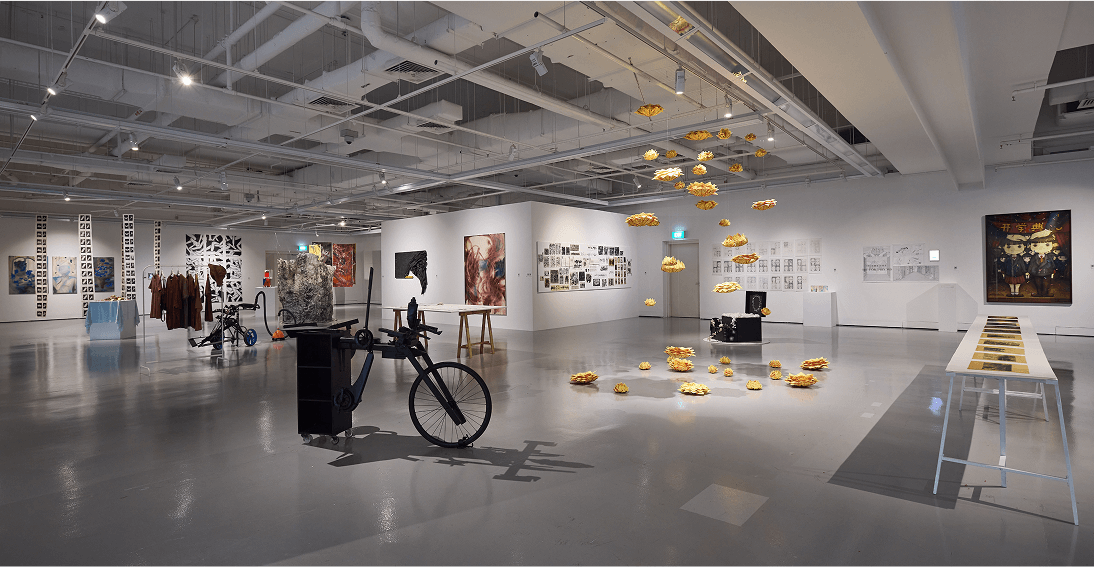
BA (Hons) Design Communication

BA (Hons) Fashion Design and Textiles
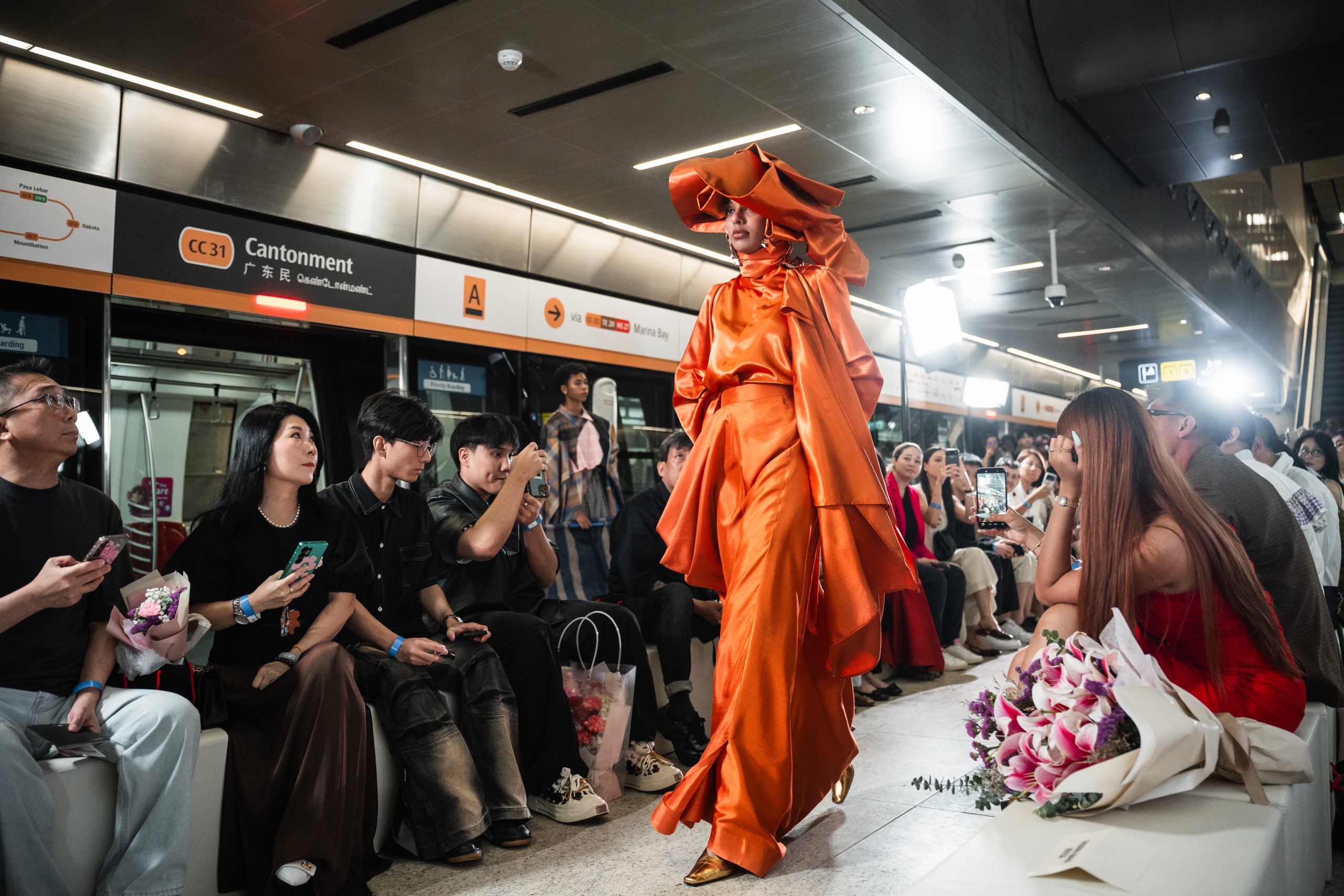
BA (Hons) Fashion Media and Industries