



In this public lecture, art psychotherapist Natalie Kang shares insights from Thrive, an eight-week art therapy group programme implemented in Singapore secondary schools to support adolescent self-awareness, emotional regulation and psychological resilience.
Developed within the context of Singapore’s high-pressure and multicultural education, Thrive was designed as a structured, therapist-led intervention where art-making becomes a medium for identity exploration, emotional expression and peer connection.
Drawing from session processes, student interviews, focus groups and artwork analysis, this presentation examines how belonging and emotional safety can be cultivated within institutional spaces. Particular attention will be given to themes of identity, emotional concealment, relational dynamics, and developmental progression. One component of the intervention—mask-making to explore inside-outside identity—was later developed into a published article examining how adolescents externalise hidden emotions through symbolic imagery.
The session concludes with a brief art experiential inspired by Thrive’s closure ritual. It invites participants to engage in a symbolic act of acknowledgement and reflection, offering space to consider what sustains us in our work, and how belonging is nurtured not only for those we serve, but within ourselves.
Join Natalie in reflecting on the clinical considerations, therapist stance and ethical frameworks that shape art therapy practice in school settings.
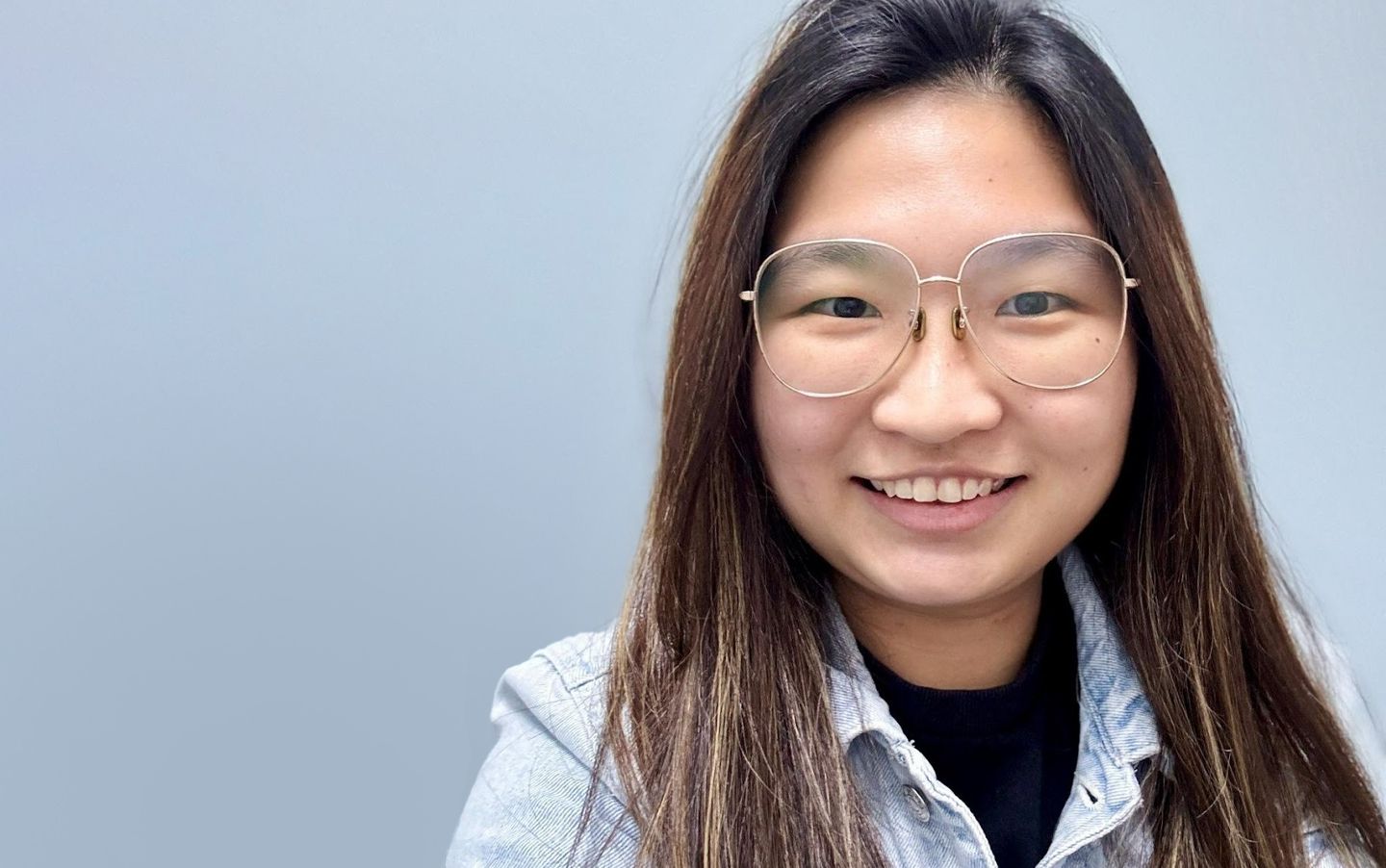
Natalie Kang is a registered art psychotherapist and founder of Art Play Psychotherapy, a Singapore-based practice supporting children, adolescents and families through trauma-informed arts-based approaches. She facilitates both group and individual interventions across mainstream schools, early intervention centres and community mental health settings.
Along with collaborating with The Red Pencil (Singapore) on Thrive, Natalie has contributed to research publications examining arts-based interventions in school and early intervention contexts.
Natalie is currently pursuing doctoral training in counselling psychology and a diploma in clinical supervision, with a particular interest in strengthening ethical standards, reflective practice and the continued professional development of art therapy in Singapore.