


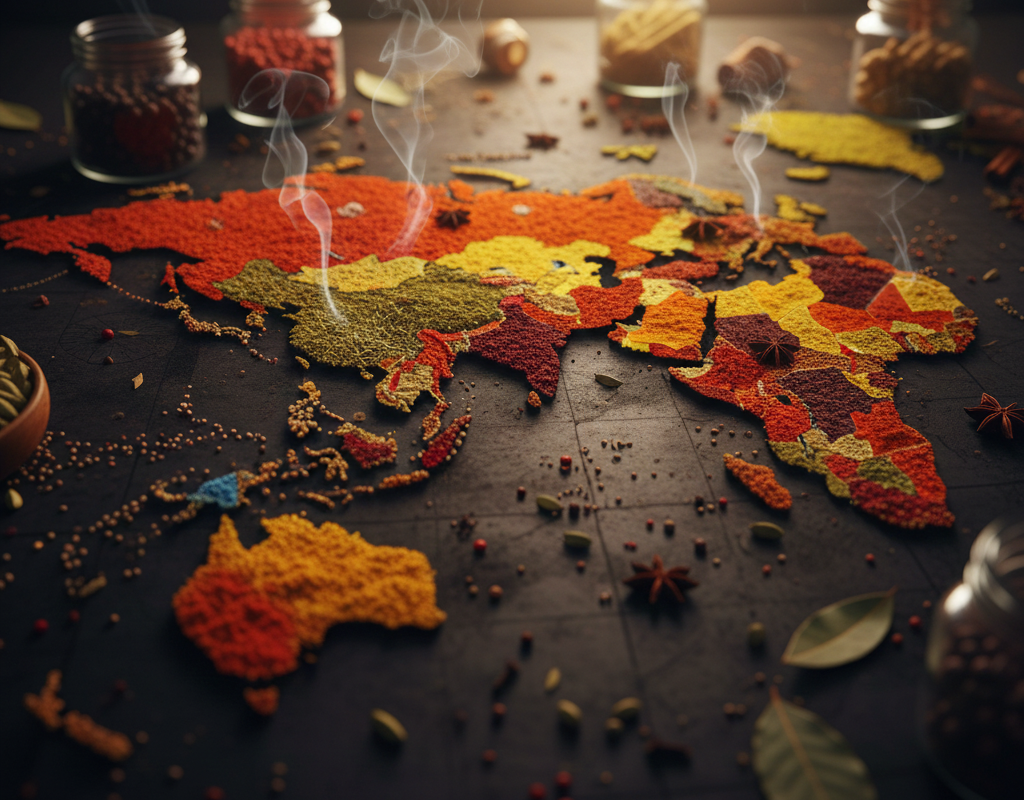
Who’s winning the Asian culture race: the wealth of Gulf museums, the networked hustle of Central Asia or the might of East Asian markets?
This public seminar examines the geopolitics and geopoetics of art across West, Central and East Asia. Through case studies, it explores convergences, divergences and opportunities in contemporary cultural practices, while positioning Singapore as a pivotal reference point for identifying cross-regional collaborations and cross-cultural dynamics.
In West Asia, Qatar, Saudi Arabia and the United Arab Emirates have pursued ambitious strategies in cultural tourism, museum diplomacy and the creative economy. More recently, they have made significant investments in the regional art market, although questions remain about the long-term sustainability of these initiatives.
In Central Asia, Uzbekistan and Kazakhstan demonstrate how emerging art scenes are integrating into global networks, moving beyond past dependencies and rivalries. Through public and private initiatives, they are developing institutions and events that showcase their distinctive cultural heritage, despite operating with more limited financial resources.
In East Asia, Greater China, Japan and South Korea remain a global heavyweight, with dynamic art scenes and established hubs commanding strong visibility and market share. Yet these countries still struggle to balance national growth between private and public actors, as well as advance international expansion and cross-border synergies amid rising tensions.
Speaker
Rémy Jarry
Bangkok-based art historian and curator
Lecturer in Arts Management
Chulalongkorn University
Moderator
Natalia Grincheva
Programme Leader, BA (Hons) Arts Management
LASALLE College of the Arts